About
About Trade Show Display Rental of Atlanta
Trade Show Display Rental of Atlanta leads rental exhibits, conferences, activations, and temporary environments with disciplined planning around venue rules, labor, freight, graphics, technical production, and show-site execution.
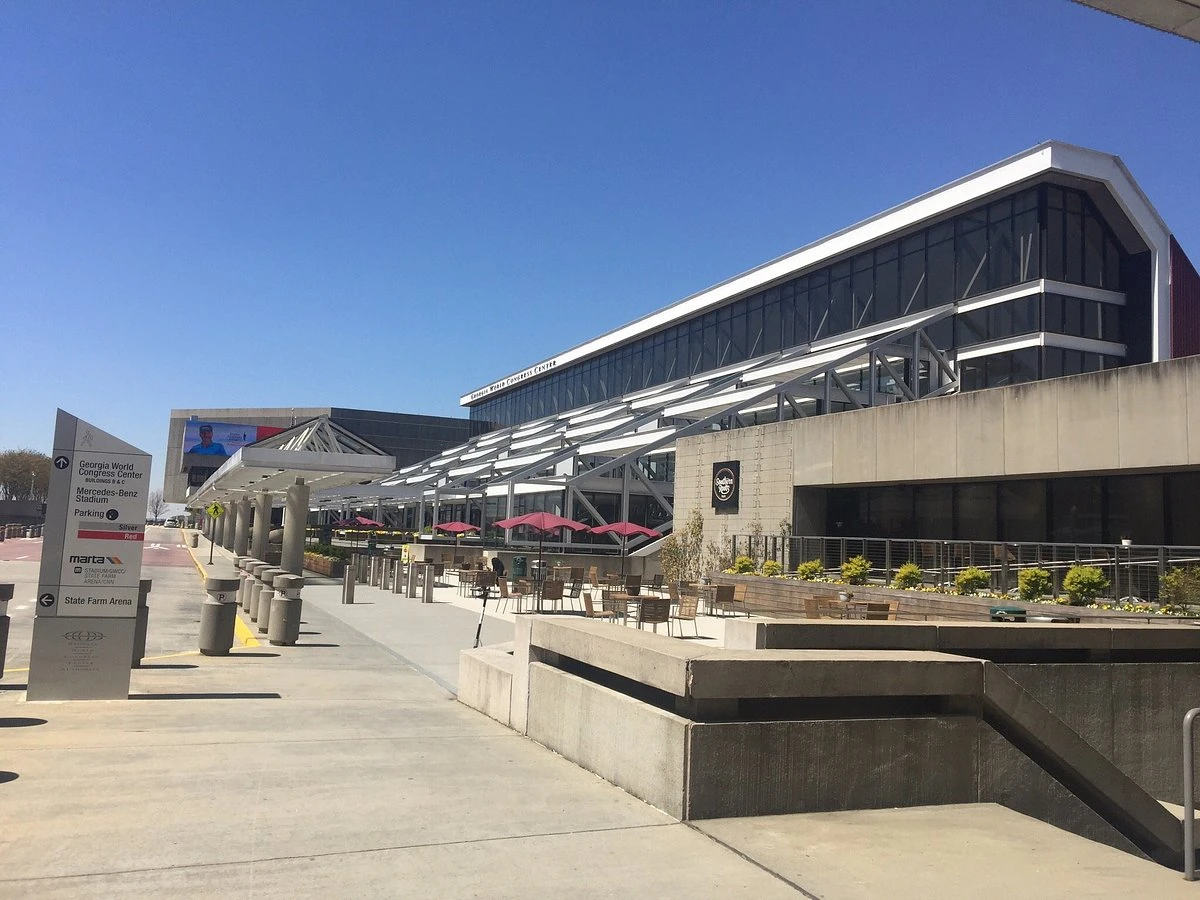
Project control starts with sequence
Display-rental work settles down when booth decisions, freight timing, service orders, labor calls, graphics release, and technical planning all sit inside one shared schedule. That sequence matters more than polish in the earliest part of the job because it determines whether the team is making good decisions while options are still open.
Clients usually come in with clear commercial goals: attract qualified traffic, support a launch, host meetings, run demos, satisfy sponsors, or help the sales team stay productive on the floor. Reaching those goals requires more than attractive hardware. It requires a production path that keeps each dependency connected to the next one.
That is the discipline behind the work here. The booth has to fit the venue, the venue has to fit the audience, and the rental schedule has to fit the actual way materials, people, and approvals move through Atlanta buildings.
Atlanta changes the production math
Atlanta supports large downtown convention traffic, airport-corridor meetings, Cobb ballroom programs, Gwinnett expo activity, and regional roadshow work that loops through the Southeast. Each pocket of the market brings a different pace, different receiving conditions, and different expectations around staffing, freight routing, and show-site supervision.
A downtown convention week can put real pressure on hotel loading, drayage timing, registration flow, and crew scheduling. A College Park assignment may ask for tighter airport timing, more careful travel sequencing, and cleaner handoffs between house services and outside partners. Cobb and Gwinnett can shift the work again through ballroom layouts, campus spacing, and event-format mix.
Local knowledge matters because the same rental scope does not behave the same way in every Atlanta venue. A practical plan names those differences before fabrication, print, labor, and logistics are already locked.
Rental programs depend on coordination under pressure
The pressure points are familiar: late graphics, revised power needs, freight that lands on a different schedule than expected, sponsor edits, labor windows that tighten, and floor supervision that becomes more important once crews overlap in the hall. A strong project team prepares for those moments before they happen.
That preparation shows up in the small operational moves that keep a show steady. Crates are labeled with intent. Install tasks follow a build sequence. Show-site leadership has the authority to decide what moves first when conditions change. Stakeholders know who owns venue communication, who owns labor, who owns technical production, and who owns close-out.
The result is a better commercial outcome when the environment opens on time, staff know where to work, sponsors see a finished space, and the client can focus on audience results instead of emergency coordination.
Reuse, storage, and post-show decisions matter
A successful Atlanta assignment should make the next one easier. That means documenting what parts of the booth can be reused, what graphics should be refreshed, what furniture or AV package worked, and which labor assumptions held up in the room.
Storage and refurbishment decisions are not afterthoughts. They affect the budget, the timeline for the next event, and the quality of the client’s long-term exhibit program. A rental package that is packed correctly and reviewed honestly after the show is far more useful than one that simply survives dismantle.
The same applies to stakeholder communication. Sales, marketing, procurement, brand, and field teams all need a record of what happened, what cost pressure showed up, and what should change before the next date is booked.