Services / Trade Show Project Management in Atlanta GA
Trade Show Project Management in Atlanta GA
Orchestrating flawless trade show executions across Atlanta's dynamic venue landscape demands meticulous project management that anticipates every logistical nuance from downtown mega-conventions to suburban corporate gatherings.
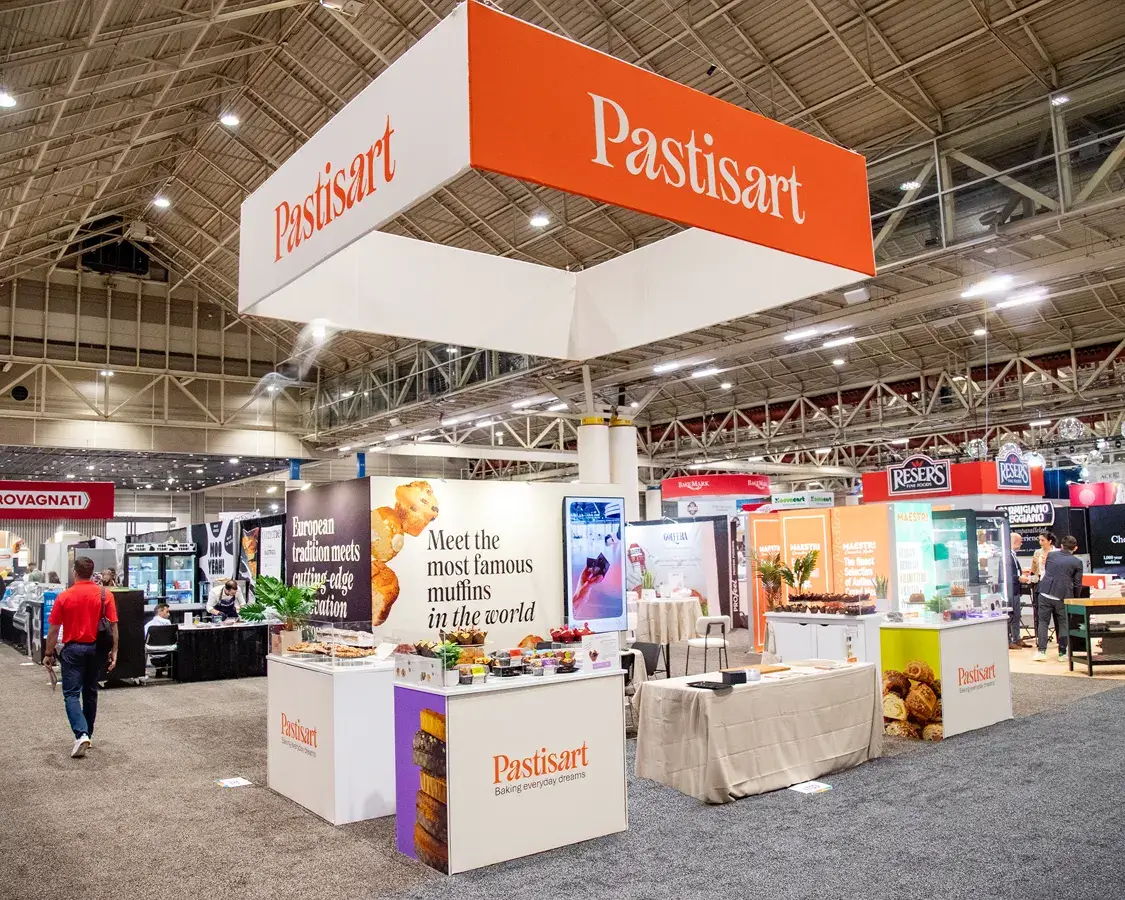
Pre-Show Planning Tailored to Atlanta's Venue Zones
Pre-show planning forms the backbone of successful trade show project management in Atlanta, starting with a detailed venue audit across the city's four operating zones: the downtown flagship led by Georgia World Congress Center, Centennial Olympic Park, and AmericasMart Atlanta; the airport and College Park corridor featuring Georgia International Convention Center and Gateway Center Arena; the Cumberland and Cobb submarket with Cobb Convention Center; and the Duluth and Gwinnett area led by Gas South Convention Center. This phase involves mapping exhibit footprints against hall capacities, electrical provisions, and rigging capacities documented in each facility's planning guides, ensuring that inline booths for AmericasMart market weeks align precisely with showroom traffic patterns while island displays at GWCC accommodate high-ceiling overheads for dramatic activations. Project managers compile these insights into a centralized dashboard, forecasting material deliveries around downtown's dense trucking restrictions and airport venues' SkyTrain-timed fly-in surges.
Coordination intensifies with stakeholder alignment sessions that define milestones for design freezes, fabrication proofs, and shipping manifests, all calibrated to venue-specific lead times such as the extended advance orders required for GWCC's union labor protocols or the rapid setup windows at suburban Cobb facilities. Budget baselines are established here, factoring in drayage rates that vary by zone proximity to interstates, freight handling surcharges at College Park's airport-adjacent sites, and material storage buffers for multi-day market programs at AmericasMart. This foundational work prevents downstream bottlenecks, positioning the entire program for fluid execution amid Atlanta's geographically dispersed demand drivers.
Contingency blueprints emerge during this stage, addressing potential disruptions like Centennial Olympic Park's weather exposure for outdoor extensions or Gwinnett corridor's community event overlaps that could strain regional labor pools. By simulating full-cycle run-throughs, project oversight identifies pinch points early, such as coordinating carpet orders with GWCC floor load limits or synchronizing AV installs with Gateway Center Arena's sports-adjacent scheduling.
Venue-Specific Logistics Coordination Across Atlanta
Logistics coordination demands hyper-awareness of Atlanta's venue clusters, where downtown Atlanta's Georgia World Congress Center handles large-scale conventions with intricate hall interconnections, Centennial Olympic Park supports public activations blending indoor-outdoor flows, and AmericasMart Atlanta drives market-week support through its permanent showroom infrastructure. Project management channels freight routing through optimized pathways, like pre-clearing oversized loads for GWCC's skybridge access or timing deliveries to sidestep College Park's airport security perimeters at Georgia International Convention Center. Detailed manifests track every crate from origin to dock, with real-time GPS monitoring bridging the gaps between downtown's MARTA-fed logistics and suburban I-75/I-85 corridor hauls to Cobb or Gas South.
In the airport and College Park zone, logistics pivot to fly-in efficiencies, aligning unpack schedules with ATL SkyTrain operations and Gateway Center Arena's Arena to Exhibit transitions for hybrid conference-sports events. Northwest submarkets like Cumberland demand precision in navigating Cobb Convention Center's ballroom-driven footprints, where project leads orchestrate modular builds to fit varying room merges without excess drayage. Northeast extensions to Duluth incorporate Gas South's expo hall expanses, planning for Gwinnett's traffic rhythms during peak association gatherings. This Zone by Zone orchestration unifies disparate venue rules into a cohesive flow, minimizing idle time and maximizing show-floor readiness.
Targeted permitting and compliance checks underpin logistics, from GWCC's advance rigging applications to AmericasMart's buyer-preview protocols, ensuring all elements clear venue inspections smoothly.
Timeline and Milestone Management for Multi-Zone Events
Crafting timelines in Atlanta requires layering venue-specific cadences atop universal project phases, commencing with GWCC's six-month advance bookings for prime hall space and extending through Centennial Olympic Park's activation previews amid Olympic legacy event calendars. Project management deploys Gantt charts that sequence design approvals against AmericasMart's market-week cadences, fabrication against College Park's fast-turn fly-in compressions, and I&D against Cobb's regional show flex dates. Milestones trigger automated alerts for handoffs, such as shipping cutoffs before GICC's dock saturation points or AV tests prior to Gas South's sound-sensitive community programs.
Daily war rooms during peak build phases reconcile variances, adjusting for downtown's extended load-in hours versus suburban dawn starts, ensuring show-open alignments across zones. Post-move-in checkpoints verify booth completeness, from GWCC's lighting grids to Gateway Arena's stage integrations, with buffer times for punch-list resolutions.
Long-lead items like custom graphics or modular rentals are milestone-gated early, preventing cascade delays in Atlanta's split-zone reality where downtown flagship exhibits demand precision while airport venues prioritize speed.
Vendor and Contractor Synchronization in Atlanta Projects
Synchronization of vendors and contractors hinges on Atlanta's venue-driven protocols, where project management facilitates shared portals for real-time updates on GWCC's union I&D bids, AmericasMart's EAC approvals, and Cobb's general contractor scopes. Pre-qualification vetting matches specialists to zone needs—AV firms versed in GICC's SkyTrain-adjacent tech setups or labor teams fluent in Gas South's expo hall expansions—fostering accountability through joint kickoffs and progress audits. This ecosystem approach resolves interface conflicts, like exhibit fab handoffs to on-site supervision at Centennial Olympic Park or logistics syncs with dismantle crews at Gateway Center Arena.
Contractual alignments enforce SLAs tied to venue timelines, with escalation paths for downtown density pressures or suburban access variabilities, ensuring unified performance across the four zones. Reporting cadences keep all parties looped, from budget variances at high-cost GWCC to efficiency metrics at streamlined Cobb events.
Budget Oversight and Financial Tracking for Atlanta Trade Shows
Budget oversight in Atlanta project management dissects costs by venue zone, allocating line items for GWCC's premium drayage and rigging alongside Cobb's economical ballroom fees, while buffering airport venues for expedited freight premiums. Rolling forecasts track variances against baselines, incorporating AmericasMart's multi-week material holds or Gas South's ancillary service upsells, with monthly reconciliations flagging overruns from downtown trucking surcharges or College Park security add-ons.
Value engineering sessions optimize spends without compromising impact, such as modular rentals suiting GICC's quick-turn needs or targeted activations at Centennial Olympic Park. Audit trails support stakeholder reviews, ensuring fiscal discipline across Atlanta's diverse demand spectrum.
Contingency funds are zone-stratified, covering weather hits at outdoor-linked sites or labor spikes during peak market weeks.
Risk Management and Contingency Planning in Multi-Zone Atlanta Operations
Risk management proactively scans Atlanta's operational variances, from GWCC's high-traffic crowd control to Gwinnett's weather-vulnerable expo halls, developing layered contingencies like alternate routing for I-85 disruptions impacting Cobb deliveries or backup power for Gateway Arena's hybrid events. Venue policy drills ensure compliance with rigging deadlines at AmericasMart or union protocols at downtown sites, with insurance alignments covering zone-specific exposures.
Scenario modeling simulates disruptions—freight delays at airport docks, union strikes at GWCC, or traffic gridlock during Centennial Park activations—triggering predefined pivots that maintain timeline integrity. Daily risk registers evolve with project phases, prioritizing high-impact issues like multi-day dismantle overlaps in suburban corridors.
Post-Show Debrief and Program Optimization for Future Atlanta Events
Post-show debriefs capture granular data from Atlanta executions, benchmarking actuals against plans for GWCC hall efficiencies, AmericasMart buyer conversions, or Cobb regional ROI, informing framework refinements for recurring zone programs. Stakeholder surveys quantify successes like GICC's fly-in logistics smoothness or Gas South's community engagement lifts, while dismantle audits highlight recoverable assets for rental cycles.
Optimization roadmaps emerge, prioritizing upgrades such as enhanced AV for Gateway Arena hybrids or streamlined shipping for Centennial Park extensions, positioning exhibitors for escalated performance in Atlanta's evolving market.
FAQ
How does project management adapt to Atlanta's multiple venue zones?
Project management customizes plans to the four zones—downtown with GWCC and AmericasMart for large conventions and market weeks, airport/College Park for fly-in events at GICC and Gateway Arena, Cumberland/Cobb for corporate regionals, and Duluth/Gwinnett for association expos—aligning timelines, logistics, and budgets to each area's unique access, capacities, and rules.
What timeline elements are critical for GWCC projects?
Timelines for Georgia World Congress Center emphasize six-month advance bookings, union I&D slots, rigging lead times, and hall interconnection logistics, sequenced to sync with design, fab, and activation milestones for smooth show-floor delivery.
How is vendor coordination handled across zones?
Vendors are synchronized via shared portals and joint sessions, matching specialists to venue needs like AV for airport tech or labor for downtown unions, with SLAs enforcing handoffs from AmericasMart EACs to Cobb GC scopes.
What budget factors vary by Atlanta venue cluster?
Downtown incurs premium drayage and rigging at GWCC/AmericasMart, airport adds freight security at GICC, while suburban Cobb/Gas South offer ballroom economies but factor traffic-related buffers.
How are risks managed for multi-day market weeks?
Risks for extended programs like AmericasMart weeks include material storage contingencies, buyer traffic modeling, and dismantle overlaps, with scenario plans covering union variances and zone travel disruptions.
What post-event insights drive future optimizations?
Debriefs analyze metrics from zone-specific executions—ROI at Centennial Park activations, logistics at College Park fly-ins—yielding templates for refined planning in Atlanta's split-demand landscape.
Related Atlanta scopes
Continue with a connected Atlanta scope.
Inquiry
Trade Show Display Rental of Atlanta
Rental-first Atlanta trade show systems designed around venue-aware planning, modular reuse, and cleaner show-floor execution.