Industries / Technology Trade Show Services Atlanta GA
Technology Trade Show Services Atlanta GA
Atlanta stands as a pivotal hub for technology trade shows, where organizers coordinate elaborate exhibits across four distinct operating zones to showcase innovations in software, hardware, cybersecurity, and emerging tech sectors amid high-stakes buyer interactions.
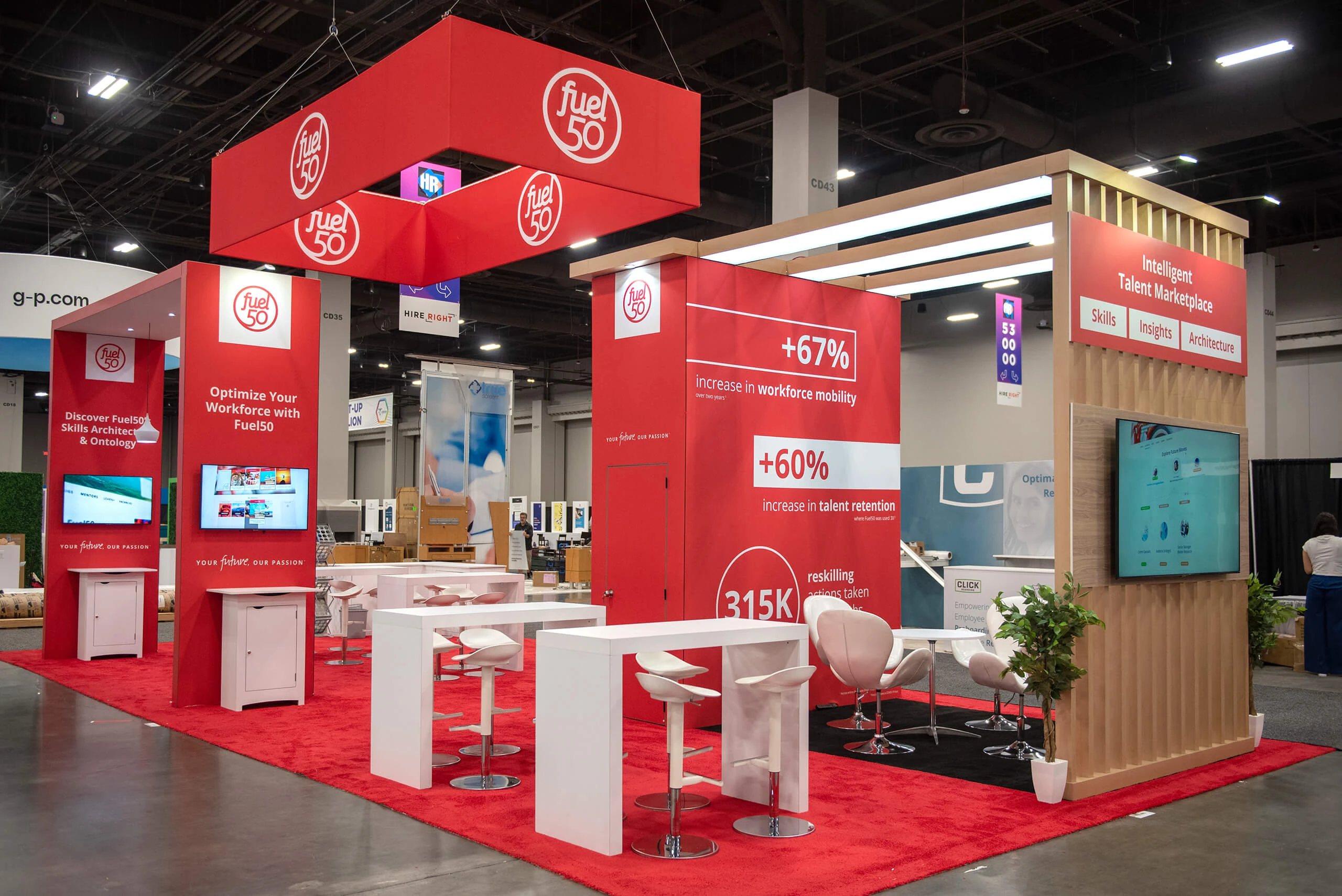
Leveraging Downtown Atlanta for Flagship Technology Exhibits
Downtown Atlanta forms the backbone of technology trade show activity through its unparalleled cluster of the Georgia World Congress Center, Centennial Olympic Park, and AmericasMart Atlanta, where planners coordinate expansive booth arrays that accommodate everything from immersive VR demonstrations to server rack displays for enterprise solutions. This zone's depth enables smooth integration of exhibit halls with adjacent activation spaces, allowing technology firms to extend their presence into public realms for heightened visibility during peak convention seasons.
The Georgia World Congress Center's vast exhibit floors support the heavy power draws and networking cabling typical of tech booths, while Centennial Olympic Park offers outdoor extensions for product launches that capitalize on pedestrian flows from nearby events. AmericasMart Atlanta complements these with market-week setups, where coordinators align temporary structures for ongoing buyer showroom rotations, ensuring technology exhibitors maintain momentum across multi-day formats without logistical disruptions.
Airport Corridor Venues for Agile Tech Conference Deployments
The Georgia International Convention Center and Gateway Center Arena @ College Park in the airport corridor provide critical advantages for technology trade shows attracting international delegates, with direct ATL SkyTrain connectivity streamlining freight ingress and attendee access for events focused on cloud computing summits or AI symposiums. Planners here emphasize fast-turn programs, coordinating modular booth systems that assemble swiftly to match compressed timelines often seen in fly-in tech gatherings.
Gateway Center Arena's flexible arena configuration pairs well with convention center adjacency, enabling hybrid formats where technology exhibitors blend keynote stages with exhibit floors, complete with sports-adjacent activations that appeal to younger developer crowds. This zone's positioning facilitates Just in Time logistics, where exhibit components arrive via airport proximity and deploy into configurations optimized for high-density networking sessions.
Suburban Venues Expanding Tech Trade Show Reach
Northwest Atlanta's Cobb Convention Center addresses corporate and regional technology trade shows through its ballroom-driven layouts, ideal for mid-sized exhibits showcasing SaaS platforms or cybersecurity solutions to association members and enterprise buyers. Coordinators leverage this submarket's accessibility to orchestrate events that avoid downtown congestion while delivering polished Ballroom to Exhibit transitions for focused product pitches.
Further northeast, the Gas South Convention Center in the Duluth and Gwinnett corridor captures community and corporate tech demand, with exhibit halls suited for regional hardware expos or developer meetups that require ample space for hands-on workshops. This distribution across suburban zones ensures technology organizers can scale events appropriately, coordinating venue-specific load-in sequences that align with local traffic patterns and parking capacities for exhibitor teams.
Exhibit Design Coordination for Tech Innovation Showcases
Technology trade shows demand exhibit designs that prioritize interactivity and modularity, where planners coordinate structures incorporating LED walls, touchscreens, and modular pods adaptable to varying hall footprints across Atlanta's zones. From GWCC's expansive halls to GICC's efficient layouts, these designs facilitate quick reconfigurations for evolving show schedules, ensuring tech firms present polished narratives around product ecosystems without on-site fabrication delays.
Attention to cabling runs, ventilation for demo units, and sightline optimizations forms the core of design coordination, particularly in clustered downtown settings where booth adjacency influences traffic flow. Planners integrate these elements to support live coding sessions or drone flight zones, drawing from venue notes on power grids and rigging points to preempt technical glitches during high-visibility unveils.
Logistics and Setup Orchestration Across Zones
Effective logistics for technology trade shows in Atlanta hinge on zoned planning, where freight routing differentiates downtown's high-volume docks at GWCC and AmericasMart from the streamlined airport arrivals at GICC. Coordinators sequence load-ins to accommodate tech cargo like servers and prototypes, aligning with venue-specific dock schedules and elevator capacities to position heavy interactive elements precisely within exhibit perimeters.
Setup phases emphasize phased assembly—starting with structural frames, followed by AV integrations and final demo calibrations—to meet tight deadlines in fast-paced zones like College Park. This orchestration extends to suburban sites, where wider turning radii at Cobb and Gas South allow tractor-trailer maneuvers for larger tech pavilions, ensuring all components integrate smoothly for opening-day readiness.
Program Management for Multi-Venue Tech Events
Managing technology trade shows often spans Atlanta's four zones, requiring coordinators to synchronize timelines across GWCC flagship halls and Gas South regional spaces for hybrid programs blending keynote circuits with distributed exhibits. This involves real-time adjustments to attendee shuttles, booth staffing rotations, and digital signage syncing to maintain cohesive branding amid venue hops.
Risk mitigation through pre-event walkthroughs—virtual or mapped—ensures compliance with each site's rigging limits and fire lane clearances, critical for tech installs with elevated platforms or pyrotechnic demos. Post-setup audits verify AV syncs and power redundancies, positioning organizers to handle peak-hour surges in buyer interactions across the metropolitan exhibit landscape.
Dismantle and Transition Planning Post-Tech Show
Dismantle coordination for technology trade shows prioritizes efficiency to free venues promptly, with reverse-logistics sequences at downtown clusters like Centennial Olympic Park reversing setup flows to pack sensitive electronics first. Planners account for GICC's SkyTrain egress advantages, expediting prototype returns via airport proximity while suburban Cobb handles bulkier corporate dismantle in lower-traffic windows.
Transition planning bridges shows, repurposing modular tech booths from AmericasMart market weeks into Gas South follow-ups, with inventory tracking ensuring components route correctly across zones. This forward-looking approach minimizes downtime, allowing technology exhibitors to recalibrate demos based on lead data before redeployment.
Audience Engagement Strategies in Atlanta Tech Venues
Engaging tech audiences demands venue-tailored tactics, such as GWCC's hall-scale traffic engineering to funnel developers toward interactive hubs, or Gateway Arena's activation zones blending sports energy with app demos. Coordinators deploy wayfinding and gamified paths to boost dwell times, leveraging downtown clusters for serendipitous cross-booth discoveries.
Data capture integrations—QR scanners, beacon tech—align with exhibit footprints, from AmericasMart's showroom flows to Cobb's intimate ballrooms, ensuring GDPR-compliant lead gen amid high-velocity networking. These strategies amplify ROI by sustaining engagement through show floors to after-parties in adjacent activations.
FAQ
Which Atlanta venues best suit large technology trade shows?
The Georgia World Congress Center, Centennial Olympic Park, and AmericasMart Atlanta in downtown excel for flagship tech exhibits, while the Cobb Convention Center and Gas South Convention Center handle regional scales effectively.
How does the airport corridor benefit tech event planners?
Georgia International Convention Center and Gateway Center Arena @ College Park offer SkyTrain access for fly-in delegates, supporting fast-turn conferences with streamlined logistics for international tech crowds.
What logistics challenges arise in Atlanta's suburban zones?
Cumberland and Gwinnett corridors require traffic-aware sequencing at Cobb and Gas South, optimizing for parking and turning radii to manage corporate tech setups without downtown delays.
How to coordinate multi-zone technology events?
Synchronize timelines via zoned load-in/out protocols, shuttle integrations, and digital syncing to unify experiences across downtown, airport, northwest, and northeast venues.
What exhibit features are key for tech demos in these venues?
Modular structures with robust power, AV readiness, and ventilation suit interactive kiosks and prototypes, adapted to each site's rigging and hall specs.
How to ensure smooth dismantle after tech shows?
Prioritize sensitive pack-outs, leverage venue egress like SkyTrain, and track modular components for quick transitions to subsequent events.
Related Atlanta scopes
Continue with a connected Atlanta scope.
Inquiry
Trade Show Display Rental of Atlanta
Rental-first Atlanta trade show systems designed around venue-aware planning, modular reuse, and cleaner show-floor execution.