Event Types / Expo Services Atlanta GA
Expo Services Atlanta GA
Coordinate flawless expo operations across Atlanta's expansive venue network, optimizing logistics from delivery through dismantle for maximum impact in every zone.
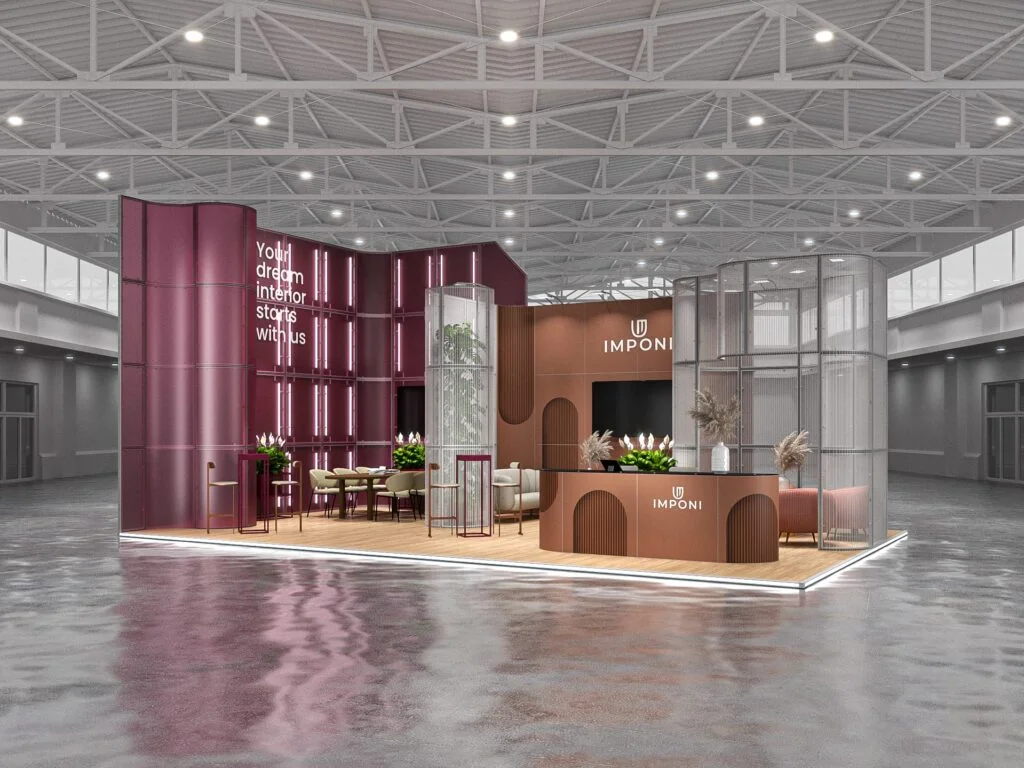
Downtown Atlanta Expo Zone Mastery
The downtown Atlanta cluster, encompassing the Georgia World Congress Center, Centennial Olympic Park, and AmericasMart Atlanta, represents the epicenter of high-stakes expo demand, where services must accommodate flagship exhibits spanning thousands of square feet alongside public activations and intensive market-week operations. Coordination begins with mapping ingress routes through congested urban arteries, prioritizing advance freight bookings to align with the Georgia World Congress Center's multi-hall configurations that host simultaneous large-scale conventions requiring segregated material flows for exhibitors. Centennial Olympic Park adds outdoor activation layers, demanding weather-resilient setups and rapid transitions between exhibit zones and event perimeters, while AmericasMart's permanent showroom infrastructure calls for meticulous integration of temporary displays with existing buyer pathways.
Service planners address these complexities by sequencing drayage drops to minimize hall congestion, coordinating power drops for high-draw booths amid the Georgia World Congress Center's 1.5 million square feet of exhibit space, and ensuring dismantle crews adhere to strict outbound timelines that prevent overtime charges during peak convention overlaps. Market-week support at AmericasMart involves synchronized furniture placements across its three buildings, graphics installations that comply with showroom aesthetics, and packout strategies that protect high-value merchandise during vertical transport via dedicated freight elevators. This zone's depth requires foresight in labor scaling for 24-hour turnarounds between events, with contingency buffers for pedestrian overflows from adjacent Olympic Park gatherings.
Airport Corridor Expo Streamlining
Georgia International Convention Center and Gateway Center Arena in the College Park airport corridor capitalize on ATL SkyTrain access, positioning expo services for fly-in conferences, sports-adjacent activations, and accelerated meeting programs where time-sensitive logistics define success. Planners initiate with pre-event freight manifests tailored to the convention center's 150,000 square feet of flexible space, factoring SkyTrain-adjacent unloading to expedite arrivals from Hartsfield-Jackson Atlanta International Airport's international gates. Gateway Center Arena complements this with arena-floor exhibits that blend event seating configurations, requiring services to navigate tiered access points and temporary barriers for hybrid expo-sports formats.
Drayage coordination leverages the corridor's highway proximity for Just in Time deliveries, while installation phases incorporate rapid AV rigging for conference hybrid streams and booth power audits to sustain extended fly-in schedules. Dismantle operations prioritize swift packouts to free arenas for subsequent bookings, with waste protocols aligned to airport environmental standards that scrutinize exhibit debris volumes. This zone's efficiency stems from service plans that compress setup windows to 12-18 hours, accommodating attendee jets that demand exhibit readiness concurrent with speaker arrivals and minimizing disruptions from peak air traffic.
Operational specifics include segregating hazardous materials in advance per Georgia International Convention Center floor plans, which delineate exhibit zones from plenary halls, and integrating furniture rentals that match the arena's modular staging for smooth transitions between expo phases and entertainment slots.
Suburban Expo Venue Adaptations
Northwest Cobb Convention Center and northeast Gas South Convention Center in Gwinnett capture corporate, association, and community expo demand, where services emphasize regional accessibility over urban density, with ballrooms and mid-sized halls driving program diversity. Cobb's configurations support trade show hybrids with exhibit floors adjacent to breakout spaces, necessitating coordinated material flows that utilize dedicated suburban truck courts and avoid residential peak-hour conflicts. Gas South's 350,000 square feet across arenas and halls demand scalable services for community activations that extend into adjacent amphitheaters, requiring outdoor-indoor exhibit syncing and extended load-in periods via Gwinnett's interstate feeders.
Planners craft dismantle sequences that align with these venues' multi-tenant calendars, incorporating furniture repositioning for post-expo banquets and graphics safeguards during high-traffic regional outflows. Compliance navigation covers suburban permitting variances, such as heightened noise ordinances at Gas South that influence power generator placements, and Cobb's emphasis on sustainable waste streams for association charters. These sites reward advance utility mappings, ensuring booth circuits support interactive corporate demos without straining shared infrastructure.
Zone-spanning programs benefit from suburban services that buffer downtown overloads, with drayage hubs positioned for cross-corridor hauls and installation teams versed in varying ceiling heights—from Cobb's 30-foot clears to Gas South's arena vaults—for overhead rigging stability.
Cross-Zone Drayage and Freight Optimization
Atlanta's four expo zones demand integrated drayage planning to manage freight across downtown bottlenecks, airport expressways, northwest parkways, and northeast interstates, preventing delays in material arrivals critical to tight exhibit schedules. Service coordination starts with centralized manifests that tag shipments by venue cluster, forecasting volume peaks during Georgia World Congress Center conventions that can exceed 100 truck turns daily, while scaling down for College Park's fly-in bursts. Suburban routes incorporate off-peak staging areas near Cobb and Gas South to decongest primary halls, with GPS-tracked convoys ensuring real-time adjustments for weather-impacted hauls.
Optimization extends to material consolidation, bundling graphics and furniture from offsite storage proxies to single drops at AmericasMart's multi-building campus, reducing touchpoints and demurrage risks. Planners audit carrier compliance with venue security protocols, such as Georgia International Convention Center's SkyTrain-secured perimeters, and embed buffer times for customs-cleared international freight common in downtown market weeks. This approach yields 20-30% timeline compressions, vital for multi-day expos transitioning between zones without idle booth states.
Freight specifics include hazardous goods routing away from Centennial Olympic Park crowds and oversized crate paths calibrated to Gateway Center Arena's service corridors, culminating in post-event audits that refine future zone matrices for recurring clients.
Installation Dismantle Timeline Precision
Exhibit installation in Atlanta hinges on venue-calibrated timelines, with downtown's Georgia World Congress Center enforcing 36-hour windows for hall fills amid overlapping conventions, contrasted by suburban flex at Cobb allowing phased builds over weekends. Coordination deploys sequenced crews for booth framing at AmericasMart prior to graphics veiling, ensuring showroom readiness syncs with buyer previews, while College Park's rapid setups at Georgia International Convention Center leverage SkyTrain logistics for overnight completions ahead of morning plenaries.
Dismantle phases reverse this rigor, with Gas South prioritizing arena clears within 24 hours to enable community follow-ons, incorporating packout inventories that barcode assets for multi-venue circuits. Planners mitigate risks through dry-run simulations for complex overheads at Gateway Center Arena and power-down sequences that preserve sensitive electronics during Centennial Park transitions. Ancillary integrations, like carpet laying under tight tolerances at Cobb ballrooms, anchor these timelines, preventing slippage into premium overtime slots.
Precision extends to stakeholder alignments, notifying organizers of milestones via shared portals that track progress across zones, fostering adjustments for unforeseen hall reallocations common in Atlanta's fluid expo calendar.
Utility Compliance and Ancillary Management
Power and utilities form expo service cornerstones, with Atlanta venues dictating amperage caps—Georgia World Congress Center's 4,000-amp services for mega-booths versus Gas South's distributed panels for regional setups—requiring pre-audits to spec circuits and avoid blackouts during peak draws. Coordination includes AV tie-ins at airport sites, where Georgia International Convention Center's hybrid capabilities demand fiber runs parallel to exhibit power, and furniture provisions at AmericasMart that incorporate ergonomic showroom standards without impeding buyer flows.
Compliance layers address fire marshal variances across zones, such as Centennial Olympic Park's outdoor flame prohibitions influencing activation props, and waste protocols at Cobb that mandate segregated recycling for corporate sustainability pledges. Planners oversee permitting for temporary structures, ensuring Gateway Center Arena's tiered exhibits meet load-bearing certifications, while suburban services streamline ancillary rentals like barriers and signage to match venue aesthetics.
Holistic management culminates in site restorations, vacuuming halls post-dismantle at Georgia World Congress Center to subfloor specs and neutralizing odors from high-traffic activations, securing repeat access in Atlanta's competitive venue pool.
Multi-Venue Program Synchronization
Atlanta's dispersed expo zones enable roadshow-style programs rotating through downtown, airport, Cobb, and Gwinnett, where services synchronize assets via modular booth designs compatible with varying hall geometries—from AmericasMart's linear showrooms to Gas South's arena curves. Planners orchestrate freight relays, staging central depots for zone hops that minimize downtime between Georgia World Congress Center closings and College Park opens, embedding tech for virtual inventory tracking across legs.
Integration covers personnel briefings on venue shifts, adapting installation jigs from Centennial Park outdoors to Cobb indoors, and utility forecasts that scale for escalating attendance. Dismantles feed forward, with packouts at Gateway Center Arena fueling next-site installs, optimized by data from prior compliance logs to preempt issues like SkyTrain delays impacting airport legs.
This synchronization unlocks efficiencies for association circuits and corporate tours, leveraging Atlanta's corridor connectors for 48-hour pivots that sustain momentum without asset silos.
FAQ
What distinguishes Atlanta's expo zones for service planning?
Downtown's Georgia World Congress Center, Centennial Olympic Park, and AmericasMart handle flagship volumes; airport sites like Georgia International Convention Center excel in fly-in speed; Cobb and Gas South suburbs suit regional corporate scales, each dictating unique freight and timeline strategies.
How do expo services handle drayage across zones?
Centralized manifests tag shipments by cluster, using off-peak staging and GPS convoys to navigate urban congestion, airport expressways, and suburban interstates, compressing delivery windows by 20-30%.
What timelines apply to installations at key venues?
Georgia World Congress Center limits to 36 hours for hall fills; College Park sites enable overnight via SkyTrain; suburban Cobb and Gas South offer weekend phasing for complex builds.
How are utilities managed in multi-booth expos?
Pre-audits match amperage to venue caps, like GWCC's high-capacity feeds, integrating AV and furniture without overloads, per fire marshal and sustainability rules.
What compliance steps cover dismantle packouts?
Barcode inventories, segregated waste, and site vacuums to subfloor specs ensure repeat access, with zone-specific noise and environmental protocols.
Can expo services support rotating multi-venue programs?
Modular designs and asset relays enable 48-hour zone transitions, with tracking portals aligning logistics from downtown to suburbs.
Related Atlanta scopes
Continue with a connected Atlanta scope.
Inquiry
Trade Show Display Rental of Atlanta
Rental-first Atlanta trade show systems designed around venue-aware planning, modular reuse, and cleaner show-floor execution.