Event Types / Roadshow Services Atlanta GA
Roadshow Services Atlanta GA
Roadshow services in Atlanta streamline multi-venue exhibit programs across the city's dynamic convention landscape, enabling smooth transitions between downtown hubs, airport facilities, and suburban centers for maximum audience reach and operational efficiency.
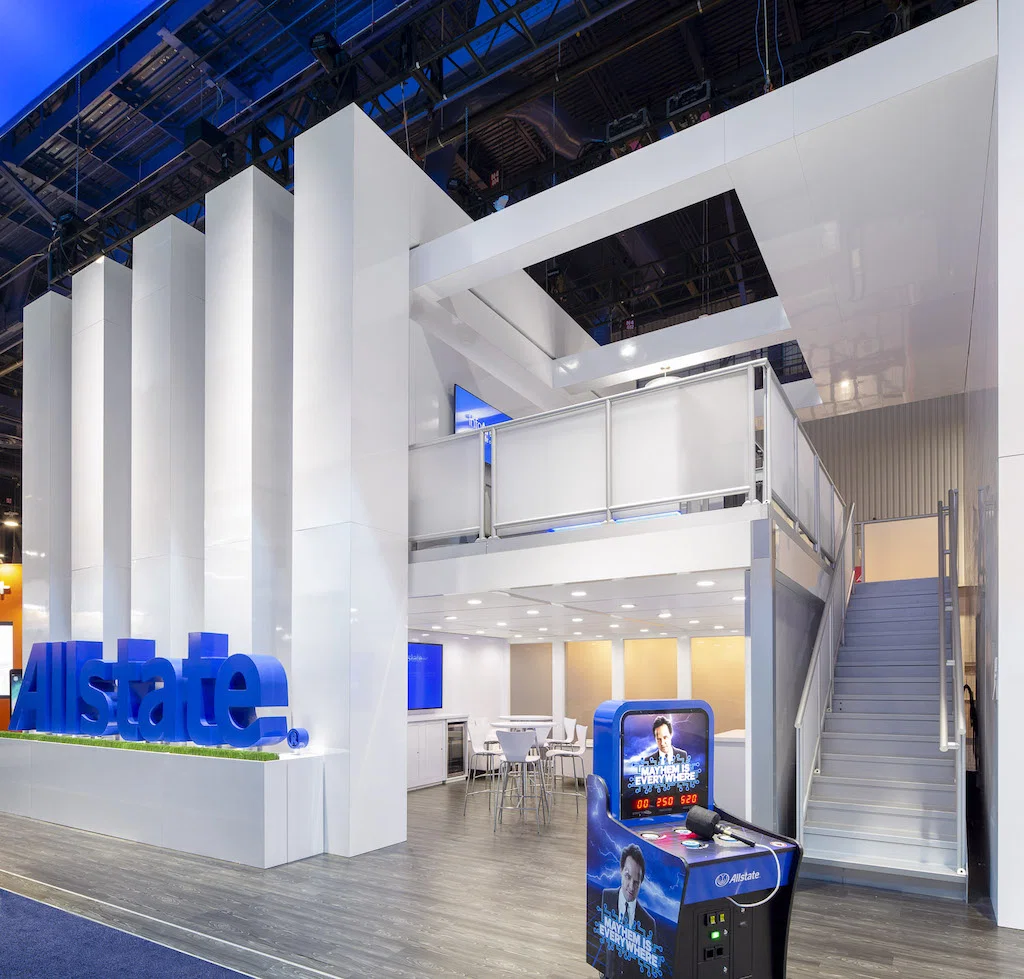
Mastering Downtown Atlanta as Roadshow Anchor
The downtown Atlanta cluster, led by the Georgia World Congress Center, Centennial Olympic Park, and AmericasMart Atlanta, forms the backbone of most roadshow itineraries due to its unparalleled depth in exhibit space, buyer showrooms, and public activation potential. Roadshow planners start here to capitalize on large-scale conventions and market-week rhythms, where exhibits can transition from GWCC's expansive halls—capable of hosting simultaneous multi-booth setups—to AmericasMart's permanent showroom environments for sustained buyer interactions. This zone's proximity fosters rapid crew handoffs and material shuttles, minimizing downtime between stops while accommodating high-footfall events that draw national audiences.
Centennial Olympic Park adds outdoor and hybrid activation layers, allowing roadshows to extend beyond indoor confines with branded installations that tie into GWCC logistics, creating a campus-like flow for immersive experiences. Coordinators must sequence these venues to align with load-in windows, such as GWCC's structured drayage protocols, ensuring booth elements like modular displays and interactive kiosks move fluidly without venue-specific bottlenecks. This flagship positioning supports roadshows aiming for visibility peaks during peak convention seasons.
Leveraging Airport and College Park for Fly-In Efficiency
The airport-adjacent corridor, featuring the Georgia International Convention Center and Gateway Center Arena at College Park, excels for roadshows prioritizing quick-turn, fly-in agendas where participants arrive via Hartsfield-Jackson Atlanta International Airport and board the ATL SkyTrain for direct venue access. This setup shaves hours off traditional ground transport, enabling tight schedules that pack multiple demo sessions into a single day, ideal for executive roadshows or time-sensitive product unveilings. Planners coordinate GICC's flexible floor plans with Gateway's arena versatility to alternate between convention-style exhibits and sports-adjacent activations, maintaining exhibit integrity through standardized rigging and power setups.
Operational flow in this zone hinges on pre-arranged material staging near SkyTrain stations, allowing roadshow assets to deploy rapidly across both sites without cross-town hauls. GICC's planner resources highlight expansive exhibit halls suited for mid-sized tours, while Gateway supports hybrid formats blending arena seating with booth peripherals, ensuring roadshows sustain energy from airport influx to venue exit.
Expanding Reach in Cumberland and Cobb Submarkets
Northwest Atlanta's Cobb Convention Center opens roadshows to corporate and regional trade demands outside downtown congestion, offering ballroom-driven programs and dedicated exhibit spaces that complement urban stops with more intimate, northwest-submarket engagements. Roadshow itineraries incorporating Cobb allow for audience segmentation, shifting from GWCC's masses to targeted buyer groups in controlled environments, with logistics streamlined by proximity to major highways for inter-zone material transfers. This venue's focus on association events and corporate gatherings makes it a pivot point for roadshows extending from airport efficiency to suburban depth.
Planners sequence Cobb stops to leverage its regional draw, coordinating booth adaptations like downsized interactive zones or panel discussion integrations that reuse core roadshow elements from prior venues. The submarket's event work supports scalable roadshows, where exhibit programs evolve per stop without full rebuilds, enhancing overall tour ROI through diverse exposure.
Northeast Corridor Dynamics at Gas South Convention Center
The Duluth and Gwinnett corridor's Gas South Convention Center captures community, association, and corporate overflow, positioning roadshows for northeast expansion with ample exhibit acreage and adjacent arena facilities for multifaceted activations. This zone balances downtown scale with suburban accessibility, ideal for roadshows concluding urban legs with broader regional outreach, where planners align schedules to Gwinnett's event calendar for peak attendance. Material flows from Cobb or airport sites integrate smoothly via interstate links, preserving exhibit momentum across Atlanta's full geographic span.
Gas South's setup supports roadshow finales or mid-tour refreshers, with flexible hall configurations allowing booth reorientations for local buyer preferences, from tech demos to healthcare showcases. Coordinators emphasize this corridor's role in comprehensive turnkey programs, ensuring every zone contributes to holistic roadshow narratives.
Logistics Frameworks for Multi-Zone Roadshows
Effective roadshow logistics in Atlanta demand zone-spanning frameworks that synchronize drayage, rigging, and power distribution across GWCC's protocols, GICC's floor plans, and suburban hall specs, creating a unified material pipeline from downtown to Gwinnett. Planners map truck routes avoiding peak traffic—such as I-75/85 corridors for Cobb runs and I-85 for airport shuttles—while standardizing crate manifests for rapid unpack at each venue, minimizing setup variances. SkyTrain integration at College Park exemplifies how infrastructure ties zones together, enabling exhibit assets to circulate without silos.
Risk mitigation involves venue-specific contingencies, like GWCC's planning guide directives for hall capacities and Centennial's outdoor permitting, ensuring roadshows adapt to weather or crowd dynamics. This layered approach turns Atlanta's venue diversity into a strength, with coordinated timelines yielding efficient, high-impact tours.
Customization Strategies for Roadshow Exhibits
Customization elevates Atlanta roadshows by tailoring modular exhibits to each zone's audience and space, such as scaling GWCC hall builds down for Cobb ballrooms or enhancing GICC demos with SkyTrain-timed arrivals. Planners select adaptable elements—reconfigurable walls, digital signage loops, and portable AV rigs—that deploy consistently yet flex for AmericasMart showroom vibes or Gas South arena hybrids, preserving brand continuity amid venue shifts.
Iterative design reviews pre-tour incorporate planner floor plans from GICC and GWCC resources, forecasting load-bearing needs and sightline optimizations to maximize engagement per stop. This precision ensures roadshows not only tour but evolve, capturing zone-specific opportunities like Centennial activations or Gateway sports ties.
Timeline and Scaling for Optimal Execution
Roadshow timelines in Atlanta span 7-14 days across zones, starting with downtown anchors for momentum, pivoting to airport quick-turns, then suburban closes, with buffer days for reconfigs at Cobb or Gas South. Planners phase pre-event site surveys using venue PDFs for GWCC and GICC, aligning with convention calendars to slot roadshows into off-peak windows, extending reach without conflicts.
Scaling accommodates 5-stop micros to 10+ venue marathons, with core kits rotating via centralized storage relays between clusters. Post-event debriefs refine future runs, leveraging Atlanta's recurring event density for repeat optimizations and sustained program control.
FAQ
What makes Atlanta ideal for roadshow programs?
Atlanta's four operating zones—downtown, airport corridor, Cobb, and Gwinnett—offer diverse venues like GWCC, GICC, and Gas South, enabling multi-stop tours with efficient zone transitions.
How do airport venues fit into roadshows?
GICC and Gateway Center Arena leverage ATL SkyTrain for fly-in ease, supporting fast-paced demos and activations adjacent to Hartsfield-Jackson.
Can roadshows span suburban Atlanta?
Yes, Cobb Convention Center and Gas South Convention Center extend reach to northwest and northeast audiences with scalable exhibit spaces.
What logistics unify Atlanta roadshows?
Standardized drayage, rigging protocols from GWCC guides, and highway/SkyTrain links ensure smooth material flows across all zones.
How to customize exhibits per venue?
Modular designs adapt to hall sizes, from AmericasMart showrooms to Centennial activations, using venue floor plans for precision.
What is a typical roadshow timeline here?
7-14 days across clusters, sequenced from downtown peaks to suburban closes, aligned with event calendars.
Related Atlanta scopes
Continue with a connected Atlanta scope.
Inquiry
Trade Show Display Rental of Atlanta
Rental-first Atlanta trade show systems designed around venue-aware planning, modular reuse, and cleaner show-floor execution.