Event Types / Trade Show Services Atlanta GA
Trade Show Services Atlanta GA
Streamlined planning and coordination for trade shows spanning Atlanta's four core operating zones deliver smooth execution amid high-volume convention traffic.
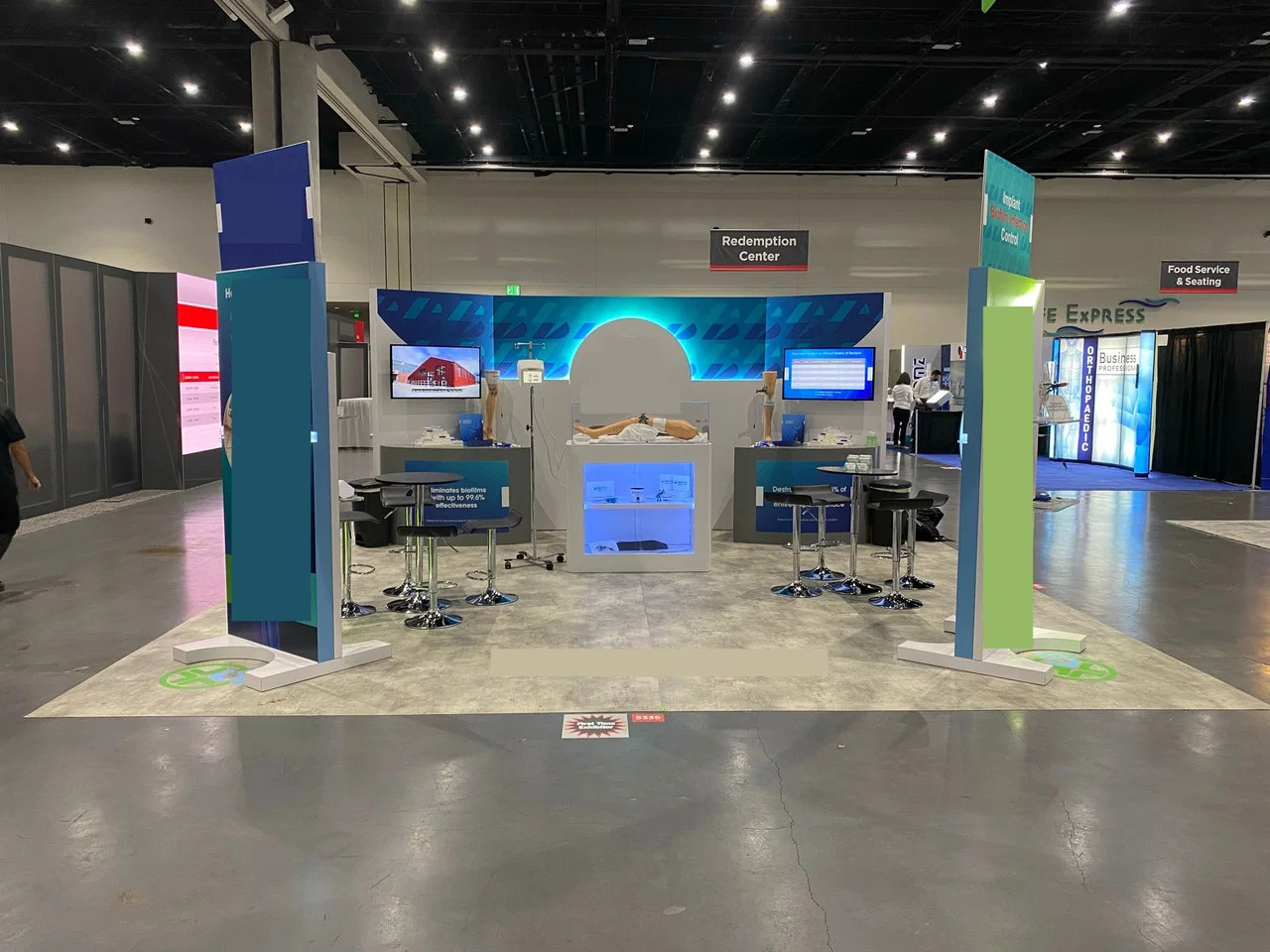
Downtown Atlanta as Trade Show Epicenter
The Georgia World Congress Center stands as Atlanta's premier trade show hub, with its vast exhibit halls accommodating everything from national association gatherings to international product unveilings, where planning focuses on coordinating multiple halls' simultaneous load-ins through dedicated freight elevators and ground-level docks designed for heavy exhibit crates. Centennial Olympic Park complements this by enabling outdoor trade show extensions, such as activation zones during conventions that draw public footfall alongside indoor booths, requiring sequenced pedestrian routing and weather-contingent setups. AmericasMart Atlanta adds specialized market-week capacity, supporting permanent showrooms alongside temporary trade floors for gift, apparel, and rug sectors, where coordination involves phased tenant moves and buyer preview logistics.
Trade show services here prioritize GWCC's 1.5 million square feet of flexible space, parsed into A, B, and C halls for segmented traffic control, ensuring exhibitors access power grids and rigging points without cross-aisle disruptions. Centennial's open plazas facilitate brand immersion experiences tied to GWCC events, demanding early reservations for tented structures and AV integrations. AmericasMart's three buildings—1, 2, and 3—host sequential markets, so planners align exhibit builds with showroom rotations, managing janitorial transitions between sessions to maintain pristine conditions for successive buyer waves.
Airport Corridor Trade Show Dynamics
Georgia International Convention Center's position along the College Park airport runway enables rapid deployments for trade shows targeting air-travel delegates, with its 150,000 Square Foot exhibit hall and SkyTrain linkage streamlining crew arrivals and equipment hauls from ATL terminals. Gateway Center Arena @ College Park bolsters this cluster by offering arena-scale exhibit conversions, ideal for sports-themed trade gatherings or fast-turn tech expos, where coordination covers basketball-court overlays with modular flooring and hoop rigging suspensions. These venues demand aviation-synced calendars, aligning show dates with flight peaks while leveraging GICC's dedicated parking decks for semi-trailer access.
Planning emphasizes GICC's contiguous ballroom and foyer spaces for registration-integrated trade floors, facilitating smooth flows from SkyTrain drops to booth zones, complete with climate-controlled pre-function areas for VIP previews. Gateway's multi-purpose layout supports trade show hybrids, incorporating stage risers amid exhibit islands and ensuring acoustic separations for concurrent sessions. Load-out efficiencies arise from GICC's proximity to I-285 interchanges, minimizing post-event dwell times amid airport congestion.
Suburban Trade Show Venues and Scale
Cobb Convention Center in the Cumberland submarket delivers trade show viability for northwest Atlanta programs, featuring a 100,000 Square Foot exhibit hall paired with ballrooms that adapt to regional industry expos, corporate vendor fairs, and association chapter meetings, where coordination tackles suburban shuttle integrations from Galleria mall traffic. Gas South Convention Center in the Duluth Gwinnett corridor expands this with 350,000 square feet across halls a through F, plus arena adjacency, suiting large-scale trade shows with amphitheater-style product demos and overflow parking for 5,000 vehicles. These sites counter downtown saturation by offering dedicated service corridors and lower peak-hour disruptions.
Trade show execution at Cobb involves Hall to Ballroom bridging for hybrid layouts, ensuring forklift paths remain clear during peak install days, while Gas South's campus design incorporates adjacent hotel blocks for extended exhibitor stays. Planners sequence suburban freight around I-85 and GA-400 arterials, coordinating with venue teams on bollard-protected docks and high-bay ceiling clearances for hanging signage. This zonal flexibility proves essential for mid-year trade bursts when downtown books solid.
Cobb's northwest positioning aids Cobb Energy Centre linkages for AV-heavy trade shows, blending performance spaces with exhibit adjacency, whereas Gas South's nordic-sphere arena enables immersive installations visible from concourses.
Cross-Zone Trade Show Logistics Framework
Atlanta trade shows often span zones, necessitating centralized coordination that maps GWCC downtown freights against GICC airport pulls and Cobb suburban drops, using digital tracking for real-time ETA adjustments amid Hartsfield-Jackson volume. Planners develop master schedules reconciling AmericasMart market weeks with Gas South regional overlaps, prioritizing hall turnover protocols to enable Back to Back exhibitor installs without idle rigging hours. Traffic mitigation incorporates MARTA station proximities at downtown sites and SkyTrain at airport venues, supplemented by charter bus loops for Duluth delegations.
Operational depth includes pre-coordinated utility tie-ins across clusters—GWCC's 120/208V three-phase drops mirroring GICC's hall distributions—while ensuring modular booth systems transport fluidly between venue scales. Suburban zones like Cobb benefit from lower union densities, allowing flexible overtime for late-night finishes, balanced against downtown's structured labor windows. This framework sustains multi-venue roadshows or franchise trade gatherings rotating through clusters seasonally.
Zone-bridging extends to activation synergies, such as Centennial Park previews feeding GWCC booths or Gateway sports tie-ins amplifying GICC tech trades, all under unified permitting oversight.
Trade Show Timeline and Phasing Essentials
Standard Atlanta trade show timelines commence 90 days out with venue holds across zones, progressing to 60-day detailed floorplans locking GWCC aisles against AmericasMart adjacencies or Cobb hall splits. Install phases allocate 48-72 hours at mega-sites like Gas South, with GICC fast-tracks compressing to 24 for fly-in urgency, always factoring SkyTrain schedules and I-285 ramp queues. Move-in coordination peaks Sunday nights for Monday opens, sequencing power-ups before lighting hangs to avert hall blackouts.
Dismantle protocols reverse this rigor, enforcing 36-hour clears at GWCC to free docks for next loads, while suburban flexibility at Cobb permits phased exhibitor pulls aligning with rush-hour lulls. Planners embed buffer days for weather-impacted Centennials or airport delays at GICC, using venue apps for slot bookings. Post-event audits across zones refine future phasings, capturing lessons from high-density buyer rushes.
Extended market-weeks at AmericasMart demand rolling timelines, sustaining showrooms through 7-10 day cycles with daily refreshes, contrasting one-off conventions at Gateway.
Exhibit Optimization for Atlanta Venues
Trade show booths in Atlanta thrive on venue-tailored heights and spans, maximizing GWCC's 30-foot ceilings for double-deckers or Gas South's vast halls for island complexes drawing 360-degree traffic. Downtown clusters favor durable carpeted isles at Centennial tie-ins, while GICC's airport polish suits glossy hard-floors for tech demos. Coordination ensures booth footprints respect load-bearing columns in AmericasMart buildings, avoiding rigging conflicts in shared ceilings.
Power and data provisioning aligns with cluster standards—GWCC's floor boxes every 10 feet paralleling Cobb's perimeter feeds—enabling smooth AV uplinks for interactive trade stations. Planners specify modular frames collapsible for Zone to Zone hauls, fitting GICC semi-docks or Gateway arena carts. Lighting schemes adapt to hall ambiences, from Centennial daylight floods to Gas South LED washes, enhancing product visibility amid buyer surges.
Sustainability phasing incorporates recyclable exhibit elements across events, with venues like GWCC offering compaction services to streamline eco-compliant clears.
Audience and Activation Strategies
Atlanta trade shows leverage zone-specific audiences, channeling international buyers to AmericasMart via dedicated shuttles while routing corporate reps to Cobb's accessible northwest halls. GWCC activations draw convention crossovers, amplifying booth traffic with Centennial park gamification zones synced to hall opens. GICC fly-in crowds respond to app-directed badge swaps at exhibit thresholds, boosting dwell times amid SkyTrain pulses.
Planners craft activation cadences matching peak hours—lunchtime draws at Gas South arenas or pre-flight rushes at Gateway—integrating QR kiosks for lead captures resilient to hall echoes. Suburban venues enable community tie-ins, extending Cobb trades to Galleria shoppers, whereas downtown depth sustains weeklong immersions. Multi-zone strategies deploy unified branding across clusters, ensuring consistent touchpoints from airport arrivals to Duluth closings.
Risk layers include capacity signaling at high-volume GWCC, with virtual queues mitigating lines during AmericasMart peaks, preserving activation momentum.
FAQ
What are Atlanta's primary zones for trade shows?
Demand divides into downtown Atlanta featuring GWCC, Centennial Olympic Park, and AmericasMart; the airport/College Park corridor with GICC and Gateway Center Arena; Cumberland/Cobb via Cobb Convention Center; and Duluth/Gwinnett through Gas South Convention Center.
How does GWCC support large trade shows?
Its 1.5 million square feet across halls A, B, and C, plus freight docks and rigging capabilities, handle flagship exhibits and multi-hall operations with structured load-in sequencing.
Why prioritize airport venues like GICC for certain trade shows?
SkyTrain access and fly-in convenience position GICC for quick-turn conferences, complemented by Gateway's arena for sports-adjacent or hybrid activations.
What suburban options exist for regional trade shows?
Cobb Convention Center offers ballroom-exhibit hybrids for corporate and association events, while Gas South provides massive hall scale with arena demos in Gwinnett.
How to coordinate multi-zone trade shows in Atlanta?
Centralized scheduling maps freights, timelines, and utilities across clusters, using digital tools for ETAs and respecting traffic patterns from I-285 to MARTA links.
What timeline phases define Atlanta trade shows?
90-day planning starts, 48-72 hour installs, 36-hour dismantles, with buffers for zone-specific factors like SkyTrain or weather at Centennial.
Related Atlanta scopes
Continue with a connected Atlanta scope.
Inquiry
Trade Show Display Rental of Atlanta
Rental-first Atlanta trade show systems designed around venue-aware planning, modular reuse, and cleaner show-floor execution.