Exhibit Types / Outdoor Event Structures Atlanta
Outdoor Event Structures Atlanta
Atlanta's convention ecosystem relies on versatile outdoor event structures to extend exhibit footprints into plazas, parks, and peripheral lots across its four key operating zones, enabling smooth hybrid experiences from downtown flagships to suburban expos.
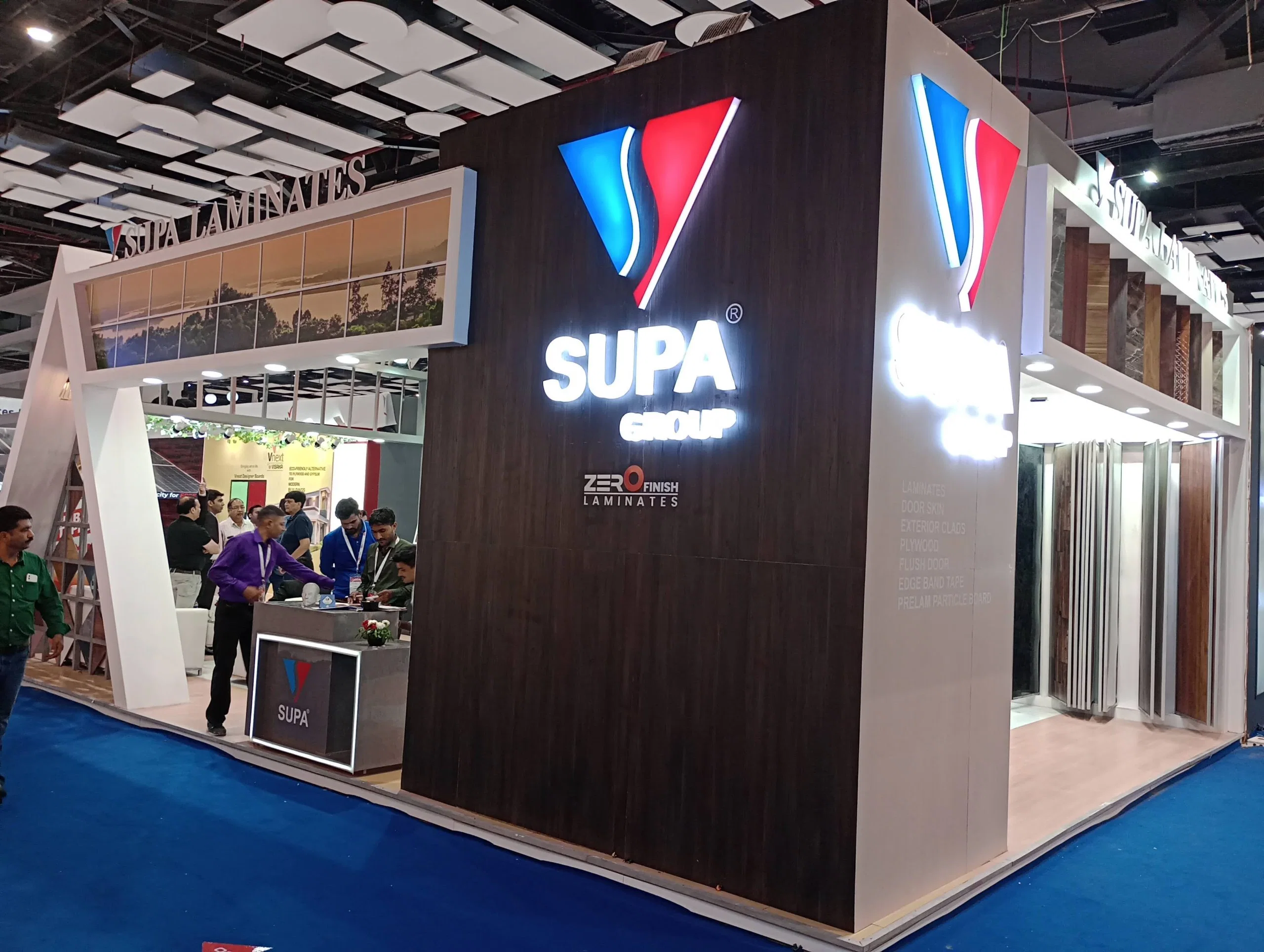
Downtown Cluster Configurations
The downtown Atlanta zone, centered on Georgia World Congress Center, Centennial Olympic Park, and AmericasMart Atlanta, represents the epicenter of exhibit demand where outdoor structures routinely augment indoor capacities during large conventions and market weeks. Planners deploy tensioned membrane pavilions over park lawns to host interactive brand zones, ensuring secure anchoring against Georgia's gusty conditions while maintaining clear sightlines to GWCC halls. These setups handle the influx of buyer-showroom traffic, with canopy systems framing entrances that funnel attendees from Olympic Park pathways directly into exhibit floors, optimizing the cluster's pedestrian-friendly layout for maximum dwell time and engagement.
AmericasMart's permanent showroom environment pairs outdoor structures with semi-permanent installations, where modular frame tents along perimeter lots create overflow demo spaces during high-season gift and apparel markets. Coordination here involves synchronizing load-in schedules with the venue's multi-building navigation, positioning weatherproof enclosures that shield high-value displays from humidity spikes without obstructing delivery routes. Centennial Olympic Park's open expanse allows for grander scale-ups, like multi-bay canopy villages for public activations, calibrated to the park's event logistics that prioritize crowd management and utility hookups amid flagship convention overlaps.
Airport Corridor Adaptations
Georgia International Convention Center and Gateway Center Arena in the College Park airport corridor leverage outdoor event structures for programs emphasizing fly-in convenience and rapid deployments. At GICC, expansive parking expo pads host drive-up registration tents and product showcase canopies, positioned for SkyTrain proximity to streamline international delegate arrivals while buffering against runway noise and tarmac winds. These structures feature elevated flooring to counter lot grading variances, enabling stable platforms for demo booths that extend hall exhibits into pre-function areas.
Gateway Center Arena's sports-adjacent vibe calls for dynamic outdoor framing, such as goal-post aligned pavilions for sponsor activations tied to arena events. Planners select quick-erect aluminum frames with sidewalls that seal against evening chills, integrating power drops for AV uplights that maintain visibility during extended fast-turn meetings. The corridor's operational tempo demands structures pre-engineered for 24-48 hour setups, aligning with GICC floor plans that designate outdoor zones for auxiliary programming.
Suburban Venue Expansions
Northwest Atlanta's Cumberland/Cobb submarket, led by Cobb Convention Center, utilizes outdoor structures to amplify ballroom-driven corporate and regional trade shows. Tent enclosures adjacent to main halls create breakout demo zones, with ballast-secured frames handling the area's rolling terrain and higher wind exposures common to suburban sites. These deployments support association gatherings by providing scalable shelter for networking receptions, coordinated with venue protocols that emphasize minimal turf disruption and efficient teardown to accommodate Back to Back bookings.
In the Duluth/Gwinnett corridor, Gas South Convention Center's community and corporate event focus extends to lot-based pavilions that host vendor rows and stage platforms, capitalizing on the facility's position as a northeast draw. Planners engineer these for modular reconfiguration, allowing daytime expo expansions that transition to evening hospitality under integrated lighting rigs. Across both suburban clusters, the emphasis falls on transport-efficient designs that traverse metro arteries without permitting hurdles, ensuring smooth execution amid Atlanta's non-downtown demand pockets.
Engineering for Atlanta's Environmental Demands
Outdoor event structures in Atlanta must incorporate engineering tailored to the region's humid subtropical climate, where summer storms and variable breezes test fabric tension and frame rigidity across all zones. In downtown's high-traffic parks like Centennial Olympic Park, designs prioritize UV-resistant membranes and guy-wire redundancies to sustain multi-day activations without sagging or flap-induced failures. Planners reference GWCC planning guides for load specifications, selecting pole-supported canopies that distribute weight evenly over event turf while allowing under-clearance for utility trenching.
Airport venues introduce aviation-specific constraints, prompting low-profile truss systems at GICC that minimize radar shadows and comply with height-restricted pads. Suburban sites like Cobb demand deeper footings or water-ballast options to counter gust fronts rolling off nearby ridges, with sidewall ventilation engineered to mitigate heat buildup during Georgia's prolonged warm seasons. This zone-agnostic resilience ensures structures perform reliably from urban plazas to peripheral lots.
Logistical Synchronization Across Zones
Mastering Atlanta's four operating zones—from downtown's GWCC cluster to Gwinnett's Gas South—requires phased coordination of outdoor structure logistics, starting with site surveys that map load-in vectors against venue floor plans and traffic patterns. Downtown deployments synchronize with AmericasMart's market calendars, staging flatbed deliveries along Peachtree corridors for overnight tent raises that avoid peak commuter snarls. Airport corridors accelerate this via GICC's dedicated expo entrances, where pre-fab modules roll off SkyTrain-synced shuttles into position ahead of fly-in waves.
Suburban executions leverage wider lot accesses at Cobb and Gas South, permitting crane-assisted frame lifts that bypass urban permitting layers, though still aligned with association show timelines. Universal protocols include pre-event ballast calculations, graphic wrap installations under controlled shop conditions, and post-show dismantle crews sequenced to free pads for next rotations, delivering turnkey continuity across Atlanta's dispersed exhibit fabric.
Hybrid Exhibit Integrations
Outdoor structures elevate Atlanta exhibits by creating fluid transitions from indoor halls to external zones, as seen in GWCC-Centennial pairings where pavilion entryways mirror hall theming for immersive continuity. At AmericasMart, canopy-wrapped product launches extend showroom narratives into fresh-air demo arenas, with flooring transitions engineered to guide buyer flows without gait interruptions. Airport sites like Gateway Center Arena use aligned tent motifs to link arena concourses with outdoor activations, fostering sponsor ecosystems that span climate barriers.
Suburban hybrids at Cobb Convention Center incorporate skybridge-view canopies visible from ballrooms, amplifying perceived scale for regional audiences. This integration philosophy, rooted in Atlanta's convention diversity, deploys matching tension ratios and LED perimeters to unify visual branding, turning disparate zones into cohesive brand landscapes.
Activation and Flow Optimizations
Centennial Olympic Park's public activation heritage drives outdoor structures optimized for high-dwell crowds, with wide-eave canopies shading circulation spines that feed GWCC entrants. GICC's expo pads similarly channel fly-in groups through sequential tent clusters, each layered for progressive engagement from registration to sampling stations. Cobb and Gas South setups prioritize radial layouts around central stages, using perimeter walls to contain sound bleed while opening flanks for peripheral parking overflows.
These flow-centric designs draw from Atlanta's venue notes—large conventions demanding flagship extensions, airport sites fast-turn efficiencies—yielding structures that pace attendee journeys, from downtown pedestrian surges to suburban car-based dispersals, all while embedding data-capture touchpoints smoothly.
FAQ
How do outdoor structures integrate with Georgia World Congress Center exhibits?
They extend hall footprints into adjacent Centennial Olympic Park zones via tensioned pavilions that align with GWCC load-in protocols, creating hybrid flows for conventions and activations.
What considerations apply to College Park airport venues?
Structures emphasize quick-deploy canopies on GICC pads and Gateway Arena lots, optimized for SkyTrain access and fly-in timelines with low-profile designs.
Can suburban sites like Cobb Convention Center use large tents?
Yes, ballroom-adjacent enclosures with ballast anchoring support corporate shows, scaling to regional demands without turf conflicts.
How are structures adapted for Gas South Convention Center?
Modular pavilions on expo lots handle community events, with ventilation and lighting for Day to Night transitions in the Gwinnett corridor.
What logistics unify Atlanta's four zones?
Phased surveys, zone-specific load vectors, and teardown sequencing ensure turnkey execution from downtown to suburbs.
Do weather factors influence designs?
Engineering incorporates wind ratings, UV fabrics, and humidity seals tailored to Georgia conditions across all operating areas.
Related Atlanta scopes
Continue with a connected Atlanta scope.
Inquiry
Trade Show Display Rental of Atlanta
Rental-first Atlanta trade show systems designed around venue-aware planning, modular reuse, and cleaner show-floor execution.