Exhibit Types / Sponsor Activation Environments Atlanta
Sponsor Activation Environments Atlanta
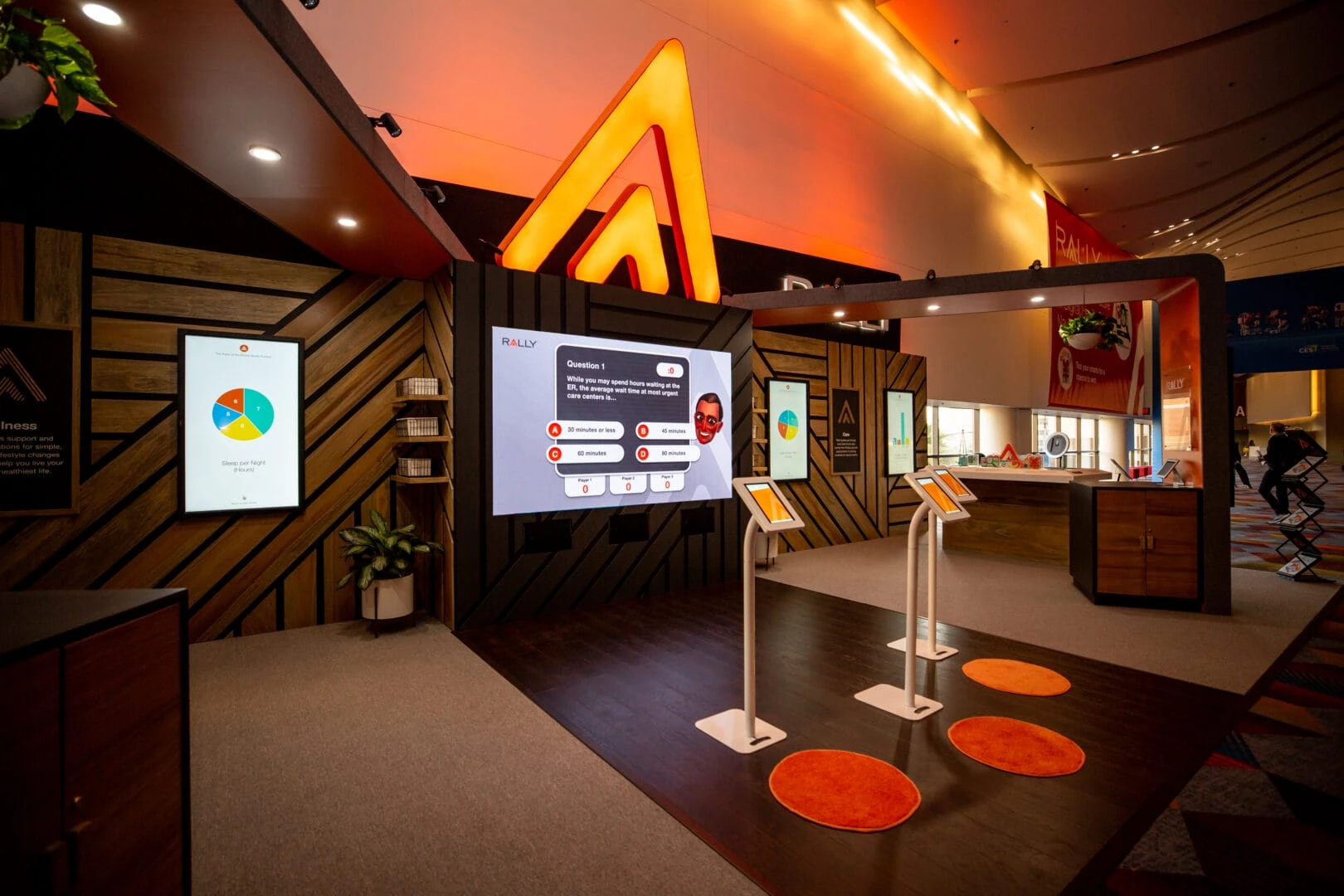
Sponsor activation environments in Atlanta transform convention spaces and public areas into immersive brand experiences, drawing from the city's diverse venue clusters to maximize sponsor visibility and engagement during major events.
Downtown Atlanta as Primary Activation Hub
The downtown Atlanta zone stands as the core for sponsor activation environments due to its concentration of Georgia World Congress Center, Centennial Olympic Park, and AmericasMart Atlanta, where large conventions generate sustained demand for immersive sponsor setups. These venues facilitate environments that blend indoor exhibit halls with adjacent public spaces, allowing sponsors to extend activations beyond traditional boundaries into high-visibility areas frequented by convention delegates and market-week buyers alike. Coordination here focuses on navigating the deepest cluster of exhibit space availability, ensuring activations capitalize on foot traffic patterns that peak during multi-day events.
Sponsor environments in this flagship area often incorporate modular structures that adapt to the Georgia World Congress Center's expansive floor plans, while Centennial Olympic Park offers opportunities for weather-resilient outdoor extensions that amplify brand presence during public-facing portions of programs. AmericasMart Atlanta complements these with showroom-style integrations, where activations support wholesale and retail buyer interactions through targeted experiential zones. Planners must synchronize timelines with venue operational guidelines to position sponsor elements amid peak logistics windows.
Airport Corridor for Fly-In Sponsor Engagements
Atlanta's airport and College Park corridor, led by the Georgia International Convention Center and Gateway Center Arena at College Park, positions sponsor activation environments for events prioritizing ATL SkyTrain access and fly-in attendee convenience. These venues excel in hosting conferences where sponsors seek compact yet impactful setups that resonate with transient crowds arriving via direct airport links, emphasizing quick-assembly designs that align with fast-turn meeting schedules.
Activations here leverage the Georgia International Convention Center's floor plans for flexible sponsor zones near entry points, enhancing visibility for delegates minimizing travel time between flights and sessions. Gateway Center Arena adds a sports-adjacent dimension, where environments can incorporate dynamic elements that echo the arena's event energy, drawing parallel sponsor engagements during hybrid conference programs. Coordination emphasizes streamlined permitting and setup protocols suited to the corridor's emphasis on efficiency.
This zone's role in sponsor strategies underscores the need for environments that balance proximity to Hartsfield-Jackson Atlanta International Airport with robust exhibit capabilities, ensuring activations deliver high engagement without disrupting core convention logistics.
Suburban Venues Expanding Activation Reach
Northwest and northeast suburban markets, including Cobb Convention Center in the Cumberland and Cobb area and Gas South Convention Center in the Duluth and Gwinnett corridor, broaden sponsor activation environments to corporate, association, and community events outside downtown constraints. These facilities capture demand for mid-scale activations that utilize ballroom configurations and dedicated expo halls, allowing sponsors to create tailored environments amid regional attendee bases.
At Cobb Convention Center, sponsor setups integrate with corporate event formats, where activations emphasize networking zones that fit ballroom-driven programs and northwest submarket logistics. Gas South Convention Center similarly supports association gatherings with exhibit spaces conducive to interactive sponsor experiences, extending Atlanta's activation portfolio to venues with ample parking and suburban accessibility.
Planning across these expansions requires harmonizing sponsor environments with local event cadences, ensuring builds accommodate varying ceiling heights, load-in paths, and adjacency to breakout areas for comprehensive program integration.
Design Integration for Sponsor Immersion
Sponsor activation environments in Atlanta demand designs that fuse branding with venue architectures across clusters, starting with modular frameworks that scale from Georgia World Congress Center's vast halls to Centennial Olympic Park's open expanses. These setups prioritize immersive pathways guiding attendees through sponsor narratives, incorporating tech integrations like interactive kiosks and AR overlays that enhance engagement without exceeding power or rigging limits outlined in venue planning guides.
In AmericasMart Atlanta and Georgia International Convention Center contexts, designs adapt to buyer-flow dynamics, positioning activation cores at high-traffic intersections while peripheral elements encourage dwell time. Airport corridor venues like Gateway Center Arena call for resilient materials suited to multi-use transitions, ensuring sponsor environments maintain polish amid sports and conference overlaps.
Comprehensive planning layers sustainability features, such as reusable components, into activations, aligning with Atlanta's event ethos while optimizing for disassembly in line with turnkey execution across zones.
Logistics and Timeline Coordination
Coordinating sponsor activation environments involves meticulous alignment with Atlanta venue timelines, from advance load-in at Georgia World Congress Center for large conventions to Just in Time setups at Georgia International Convention Center for fly-in programs. Planners sequence fabrication delivery, on-site assembly, and teardown to match peak operational windows, mitigating risks in downtown's high-density logistics against suburban venues' more flexible schedules.
Public activation extensions in Centennial Olympic Park require weather contingency protocols alongside security integrations, while AmericasMart market-week demands phased rollouts syncing with buyer showroom hours. Cobb and Gas South centers benefit from regional trucking routes, streamlining material flows for activations in ballroom-expo hybrids.
This orchestration ensures sponsor environments operate fluidly within Atlanta's multi-zone ecosystem, delivering uninterrupted experiences from activation launch through event close.
Measuring Activation Effectiveness
Evaluating sponsor activation environments in Atlanta hinges on metrics tied to venue-specific attendee behaviors, such as dwell times in Georgia World Congress Center zones versus capture rates at Gateway Center Arena sports crossovers. Planners track foot traffic data, interaction logs, and lead generation from integrated digital touchpoints to quantify ROI across downtown flagship events and suburban corporate gatherings.
Downtown clusters like Centennial Olympic Park yield public engagement benchmarks, contrasting with airport corridor's focus on delegate conversion during compressed schedules. Suburban expansions at Cobb and Gas South provide baselines for regional networking yields, informing iterative designs for future activations.
Robust post-event analysis refines environments, leveraging Atlanta's diverse demand to benchmark sponsor performance against convention scales and activation footprints.
Scaling Multi-Venue Sponsor Programs
Atlanta's zone diversity enables sponsor activation environments to scale across venues, from singular downtown deployments at AmericasMart to hybrid programs linking Georgia International Convention Center with Gas South Convention Center. Coordinators standardize core elements like branding motifs and tech stacks while customizing footprints to venue notes, ensuring cohesion in multi-site event series.
This approach supports association roadshows rotating through Cobb Convention Center and airport facilities, maximizing sponsor exposure via replicated yet adapted environments. Planning emphasizes shared timelines and vendor syncing for efficiency, turning Atlanta's corridor spread into a unified activation platform.
FAQ
What distinguishes sponsor activation environments in Atlanta's downtown cluster?
Downtown venues like Georgia World Congress Center, Centennial Olympic Park, and AmericasMart Atlanta enable large-scale, public-integrated activations that blend exhibit halls with high-visibility extensions for convention and market-week demand.
How do airport corridor venues support sponsor activations?
Georgia International Convention Center and Gateway Center Arena prioritize fly-in efficiency with SkyTrain-accessible zones ideal for rapid-turn conferences and sports-adjacent sponsor experiences.
Why consider suburban Atlanta for sponsor environments?
Cobb Convention Center and Gas South Convention Center capture corporate, association, and regional events, offering ballroom and expo spaces for mid-scale activations outside downtown.
What logistics factor into planning these environments?
Timelines align with venue operational windows, from GWCC advance load-ins to airport Just in Time setups, ensuring fluid execution across Atlanta's four zones.
How are sponsor activation ROIs measured in Atlanta?
Metrics cover dwell times, interactions, and leads tailored to venue contexts, benchmarking performance from flagship conventions to suburban gatherings.
Can activations scale across multiple Atlanta venues?
Yes, standardized designs adapt to diverse clusters, supporting hybrid programs that unify sponsor presence from downtown to Gwinnett corridors.
Related Atlanta scopes
Continue with a connected Atlanta scope.
Inquiry
Trade Show Display Rental of Atlanta
Rental-first Atlanta trade show systems designed around venue-aware planning, modular reuse, and cleaner show-floor execution.