Services / Modular Exhibit Systems Rental Atlanta GA
Modular Exhibit Systems Rental Atlanta GA
Modular exhibit systems deliver flexible, reconfigurable booth solutions tailored to the diverse scale and layout demands of Atlanta's trade show venues, from the expansive halls of the Georgia World Congress Center to the targeted spaces at Georgia International Convention Center.
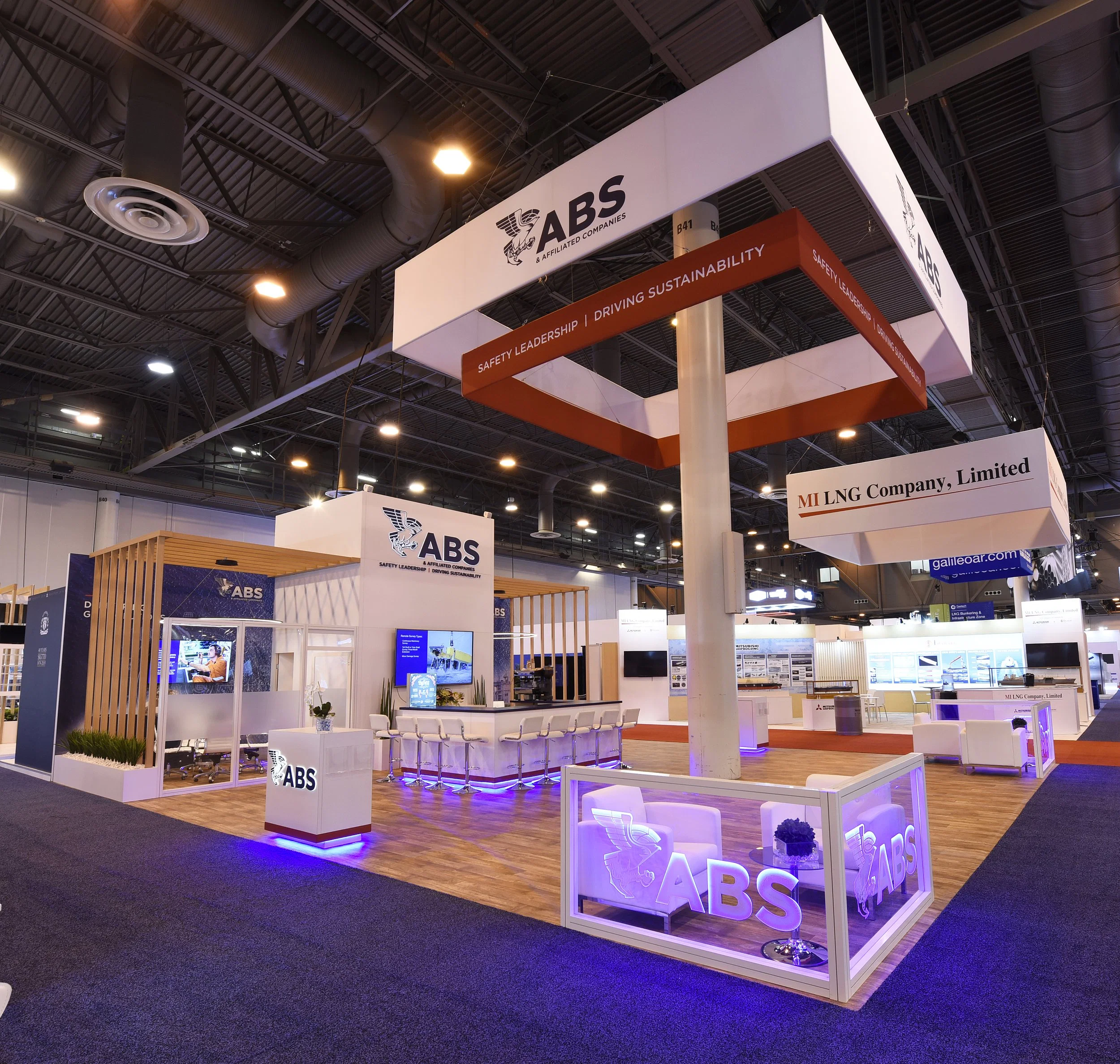
Adapting Modular Frameworks to Atlanta's Venue Diversity
Atlanta's convention ecosystem demands exhibit solutions that flex across downtown flagships like Georgia World Congress Center and AmericasMart Atlanta, where massive exhibit halls host national trade shows with intricate booth layouts, to more contained spaces at Gateway Center Arena and Cobb Convention Center for regional corporate gatherings. Modular exhibit systems address this by employing aluminum extrusion frames that snap together in standardized grid patterns, allowing planners to pre-engineer setups that match exact dimensions from venue floor plans, such as the detailed schematics for Georgia International Convention Center's pre-function areas and main halls. This eliminates guesswork in positioning towers, counters, and shelving units, ensuring smooth fit within sightlines and emergency egress paths.
Beyond basic assembly, these systems incorporate adjustable height mechanisms and curved segment options to navigate the unique architectural features of each zone. For instance, in the high-ceiling environments of Centennial Olympic Park activations, taller pylons draw attention over crowds, while lower-profile linear displays suit the ballroom-style configurations common at Cobb Convention Center events. Coordinators review load-bearing capacities and carpet patterns ahead of time, selecting base plates and leveling feet that stabilize units on varied flooring without permanent anchors, a critical factor for multi-day shows spanning Atlanta's operational corridors.
Scalable Configurations for Booth Size Variations
Exhibitors targeting Atlanta's trade shows often face booth space allotments ranging from compact 10x20 linears in Duluth-area expos to expansive 30x30 islands during AmericasMart market weeks. Modular exhibit systems scale effortlessly by adding or subtracting frame segments, fabric panels, and accessory pods, creating cohesive designs that grow or shrink without aesthetic compromise. Planning begins with core kits—typically including 10-foot towers, tension counters, and LED light bars—that expand via connector hubs, enabling a single inventory to service both intimate Gateway Center Arena conferences and sprawling Georgia World Congress Center floors.
This scalability extends to multi-booth campaigns, where identical modular elements deploy across venues like Georgia International Convention Center for fly-in tech summits and Cobb Convention Center for association meetings. Planners map out expansion sequences in advance, factoring in crate dimensions for freight elevators and dollies compliant with downtown Atlanta's union labor protocols at GWCC. The result is a unified brand presence that adapts to space constraints while maximizing interactive zones, storage, and demo areas within each venue's footprint constraints.
Operational efficiency peaks when modular kits include pre-numbered components and digital assembly guides keyed to specific Atlanta venues, reducing setup time from days to hours. This precision supports Back to Back events, such as transitioning from airport-corridor activations to northwest submarket trade shows, without excess downtime or rework.
Integration of Lighting, AV, and Interactive Elements
Modern modular exhibit systems in Atlanta incorporate channels for recessed LED strips, power tracks, and cable management, transforming basic frames into dynamic environments ready for AV integrations at venues like AmericasMart Atlanta's showroom floors. Planners specify extrusion profiles with integrated T-slots that secure monitors, projectors, and charging stations securely, aligning with the high-tech demands of conferences at Georgia World Congress Center and Gateway Center Arena. This built-in infrastructure avoids post-assembly retrofits, ensuring electrical compliance during inspections at College Park facilities.
For events spanning Atlanta's zones, modular designs accommodate venue-specific power drops and data ports, with frames that route HDMI and Ethernet cables invisibly behind fabric skins. At Centennial Olympic Park outdoor-adjacent activations, weather-resistant IP-rated lighting modules maintain visibility, while indoor setups at Cobb Convention Center benefit from dimmable rails that enhance product demos. Coordination involves pre-wiring diagrams synced to venue AV inventories, streamlining tech rehearsals and minimizing live-show disruptions.
The fusion of modularity with interactivity elevates engagement; touchscreens nest into counter cutouts, and segmented walls support magnetic graphics for real-time updates. This setup proves invaluable for association trade shows in Duluth corridors, where space efficiency pairs with immersive tech to capture attendee dwell time.
Logistics and Transport Coordination Across Zones
Navigating Atlanta's four practical operating zones—from downtown's Georgia World Congress Center cluster to the airport corridor's Georgia International Convention Center—requires meticulous logistics planning for modular exhibit systems. These components pack into compact, wheeled crates optimized for semi-trailers and air freight, facilitating moves between venues with minimal repacking. Planners calculate cube utilization based on GWCC's freight yard protocols and GICC's SkyTrain-accessible loading docks, ensuring timely arrivals for early load-ins.
Common carriers handle inter-zone shipments, with modular kits' uniform sizing preventing pallet overages and simplifying customs for international exhibitors flying into Hartsfield-Jackson. For northwest runs to Cobb Convention Center or northeast to Gas South, ground routes account for I-75 and I-85 traffic patterns, with padded interiors protecting frames during multi-stop hauls. Digital tracking integrates with venue receiving schedules, providing real-time visibility from dispatch to dock.
Post-show dismantle follows reverse-engineered checklists, collapsing structures into origin configurations for storage or redeployment. This cycle supports exhibitors running parallel activations, such as simultaneous downtown conventions and suburban expos, without asset conflicts.
Customization Within Modular Constraints
While rooted in standardization, modular exhibit systems offer extensive customization through dye-sublimated fabrics, powder-coated frames, and accessory kits tailored to Atlanta show themes. Planners select from SEG (silicone edge graphic) panels that stretch taut over frames for busy, wrinkle-free branding, ideal for the illuminated halls of AmericasMart Atlanta. Finishes range from matte blacks for sleek tech booths at Gateway Center Arena to bold metallics for consumer goods at Georgia World Congress Center.
Venue-specific adaptations include carpet-extruded bases for GWCC's patterned floors and low-profile feet for GICC's polished surfaces, with all elements fire-rated to NFPA 701 standards. Graphics production timelines align with show deadlines, using UV-resistant inks for extended outdoor exposure near Centennial Olympic Park. This balance of modularity and personalization allows unique expressions without fabrication delays.
For repeat Atlanta exhibitors, parametric design tools generate variants from master files, tweaking heights or curvatures for evolving booth allotments across zones like College Park conferences and Cobb events. The outcome is bespoke aesthetics delivered through efficient, interchangeable parts.
Sustainability and Long-Term Value in Repeat Deployments
Modular exhibit systems promote sustainability in Atlanta's event circuit by emphasizing durable, recyclable aluminum frames and reusable tension fabrics, reducing waste across deployments at Georgia World Congress Center, AmericasMart, and beyond. Planners track lifecycle metrics, noting how a single kit services dozens of shows before refresh, offsetting the carbon footprint of custom disposables. Fabrics employ eco-dyes and modular seams for partial replacements, extending usability in high-cycle venues like GICC.
Asset management software logs usage histories, optimizing rotations between downtown market weeks and suburban trade shows to maximize ROI. Refurbishment protocols—cleaning extrusions, re-tensioning graphics—occur off-site, preserving condition for venues with stringent cleanliness rules like Gateway Center Arena. This approach aligns with corporate ESG goals for events in Cumberland-Cobb facilities.
The enduring nature of these systems supports program-wide strategies, where core elements underpin annual Atlanta circuits, from fly-in summits to regional expos, delivering consistent performance with minimal environmental impact.
Pre-Show Planning and Venue-Specific Protocols
Effective deployment of modular exhibit systems in Atlanta hinges on rigorous pre-show planning attuned to each venue's operational playbook. For Georgia World Congress Center, this includes submitting detailed method statements outlining frame assembly sequences and weight distributions per hall bay, ensuring alignment with union-supervised load-ins. At Georgia International Convention Center, proximity to ATL SkyTrain dictates Just in Time crate arrivals, with modular kits' quick-build nature suiting compressed timelines for airport-corridor events.
AmericasMart Atlanta's market-week cadence requires phased scaling, where initial 10x10 modules expand daily as orders confirm, leveraging the venue's flexible showroom grids. Planners cross-reference Centennial Olympic Park activation guidelines for weatherproof enclosures and Cobb Convention Center ballroom diagrams for low-hanging fixture clearances. Virtual mockups validate fits against 3D venue scans, preempting issues like column obstructions or HVAC vents.
This foresight extends to contingency kits—extra connectors, backup fabrics—transported alongside primaries, ready for on-site tweaks without delaying opens. Coordinators liaise with show management across zones, securing permits for elevated structures and confirming power allocations pre-event.
FAQ
What makes modular exhibit systems ideal for Atlanta's multi-zone trade shows?
Their reconfigurable frames adapt to diverse venue layouts, from GWCC's vast halls to GICC's airport-adjacent spaces, enabling efficient scaling across downtown, College Park, Cobb, and Gwinnett corridors without custom rebuilds.
How do modular systems handle venue-specific setup requirements?
Standardized components with adjustable bases and fire-rated materials comply with protocols at AmericasMart, Gateway Center Arena, and Centennial Olympic Park, supported by pre-planned diagrams matched to official floor plans.
Can modular exhibits integrate AV and lighting smoothly?
Yes, extrusion channels embed LED rails, power tracks, and cable routing, powering monitors and demos in line with electrical standards at Georgia World Congress Center and Cobb Convention Center events.
What logistics support is needed for inter-venue transport?
Compact crates fit standard freight for moves between zones, with planning accounting for GWCC freight yards, GICC docks, and highway routes to suburban expos like Gas South.
Are modular systems cost-effective for repeat Atlanta shows?
Reusable kits cut expenses over time, with partial customizations via graphic swaps, ideal for exhibitors rotating through market weeks at AmericasMart and conferences at Gateway Center Arena.
How sustainable are these exhibit systems?
Durable aluminum and recyclable fabrics minimize waste, supporting ESG objectives for ongoing deployments across Atlanta's convention clusters.
Related Atlanta scopes
Continue with a connected Atlanta scope.
Inquiry
Trade Show Display Rental of Atlanta
Rental-first Atlanta trade show systems designed around venue-aware planning, modular reuse, and cleaner show-floor execution.