Services / Sponsorship Activation Buildouts Atlanta GA
Sponsorship Activation Buildouts Atlanta GA
Orchestrating sponsorship activation buildouts demands precise coordination across Atlanta's diverse venue landscape, where downtown complexes host massive conventions alongside suburban centers capturing regional events, ensuring sponsors achieve maximum visibility through tailored experiential setups.
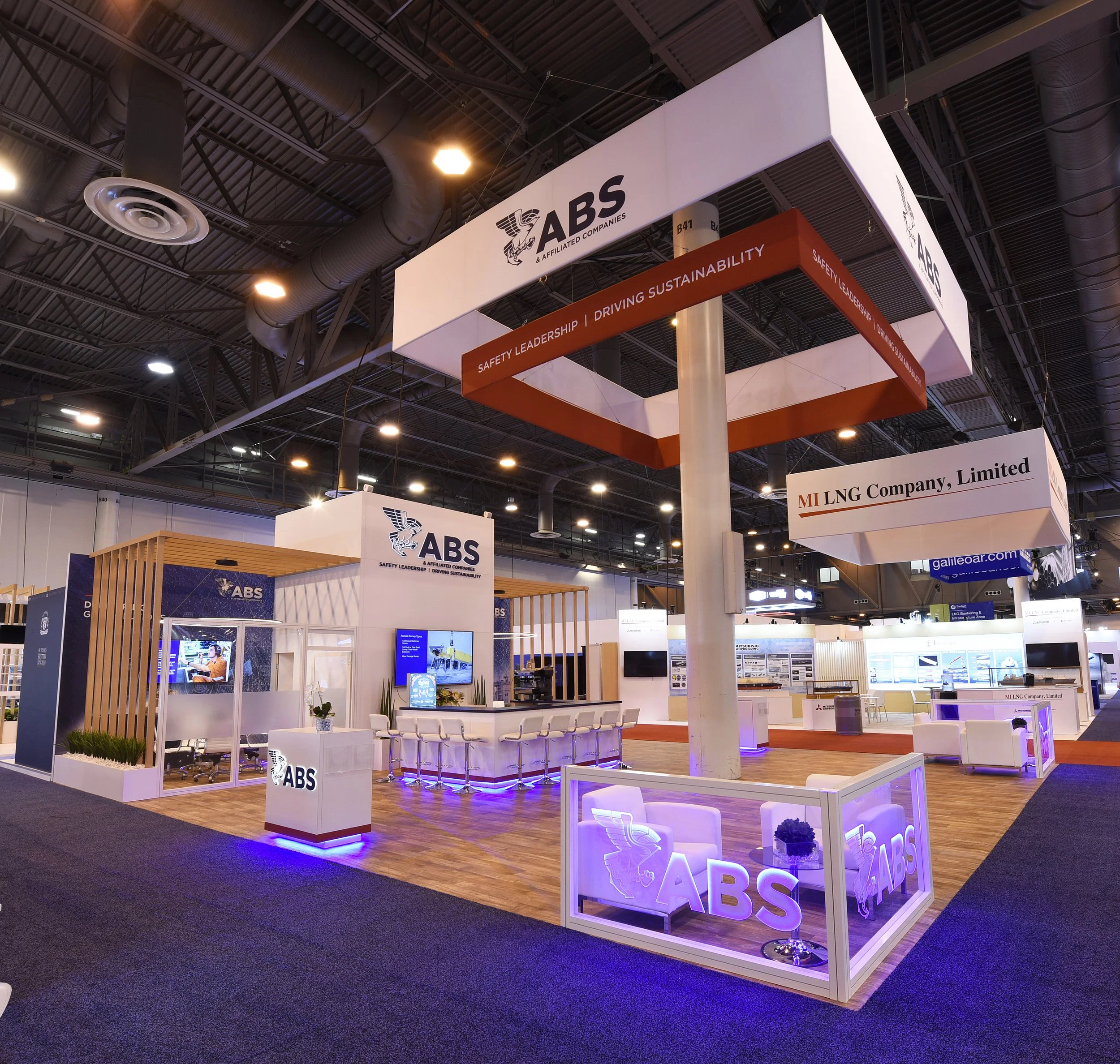
Downtown Atlanta Flagship Activations
At the heart of Atlanta's convention ecosystem, sponsorship activation buildouts at Georgia World Congress Center demand meticulous adaptation to its vast exhibit halls and adjacent Centennial Olympic Park spaces, where large-scale conventions draw international crowds requiring robust structural frameworks that withstand high foot traffic while incorporating sponsor-specific lighting and AV arrays. Planners coordinate load-ins through dedicated freight doors aligned with hall configurations, positioning activations near key intersections like escalator banks or registration flows to capture attendee dwell time, all while respecting the venue's modular flooring systems that facilitate rapid reconfiguration between events.
Centennial Olympic Park complements indoor buildouts with outdoor activation potential, enabling weather-resilient installations such as branded canopies, misting stations, or sculptural pieces that leverage the park's 22-acre footprint for extended sponsor exposure during festivals or overflow programming from GWCC. AmericasMart Atlanta introduces multi-building complexity, where activations span permanent showrooms and temporary exhibit zones, necessitating coordinated rigging across skybridges and service elevators to maintain visual continuity for market-week buyers navigating gift, apparel, and rug sectors over seven-story structures.
These downtown executions emphasize phased installations—pre-event soft openings for sponsor walkthroughs, peak-period reinforcements for durability, and efficient dismantle schedules—to synchronize with GWCC's Back to Back bookings and AmericasMart's seasonal intensives, ensuring sponsors benefit from prolonged visibility amid Atlanta's flagship event density.
Airport Corridor Rapid Deployments
Georgia International Convention Center's 150,000 sq ft of column-free space positions it ideally for sponsorship activations tied to fly-in conferences, where buildouts prioritize quick assembly via ATL SkyTrain-accessible docks, incorporating modular kiosks and digital walls that activate upon delegate arrivals. Planners account for the venue's ballroom adjacency, extending sponsor zones into pre-function areas for smooth transitions from registration to sessions, with power planning calibrated to support prolonged demo operations amid airport-convenient logistics.
Gateway Center Arena at College Park adds sports-adjacent versatility, enabling activations that blend arena concourses with exhibit setups for hybrid events, where curved LED facades or pop-up lounges capitalize on the 5,000-seat capacity's energy. Coordination here focuses on compact footprints suitable for fast-turn meetings, utilizing the arena's loading bays for overnight installs that align with early-morning event starts, ensuring sponsors engage pre- and post-game flows without impeding primary programming.
Across this corridor, buildouts stress mobility and adaptability, with disassemblable components facilitating repeated use between GICC's convention blocks and Gateway's event calendar, optimizing sponsor ROI through targeted placements in high-conversion zones like foyer intersections.
Suburban Expo Center Scalability
Cobb Convention Center in the Cumberland submarket supports sponsorship activations for corporate and regional trade shows within its 250,000 sq ft footprint, where buildouts leverage ballroom-exhibit hybrids for zoned sponsor villages comprising charging stations, VR pods, and collaborative hubs tailored to association gatherings. Planners navigate the venue's northwest positioning by streamlining I-75 corridor logistics, positioning activations central to the grand ballroom's divisible configurations for balanced exposure across mid-sized crowds.
Gas South Convention Center in the Duluth-Gwinnett area extends this suburban reach with 350,000 sq ft of adaptable space, ideal for community expos where activations incorporate regional branding like mist tunnels or tasting bars integrated into hall perimeters. Coordination emphasizes elevated rigging for atrium visibility and ground-level durability against diverse flooring transitions, aligning dismantle with the center's flexible scheduling to accommodate Back to Back regional demands.
These outlying venues enable scalable activations that punch above downtown density, with planners focusing on perimeter placements that funnel suburban attendees through sponsor touchpoints, enhancing engagement in less saturated environments while maintaining uniformity with core Atlanta execution standards.
Cross-Zone Logistics Synchronization
Managing sponsorship activation buildouts across Atlanta's four zones requires unified logistics planning that harmonizes downtown's high-volume freight with suburban expressways and airport rail efficiencies, ensuring components transit smoothly from GWCC's multiple docks to GICC's SkyTrain bays without cross-zone delays. Planners develop master timelines incorporating venue-specific union calls, material handling protocols, and contingency buffers for Atlanta's variable traffic patterns, particularly during peak convention seasons overlapping MARTA surges.
Integration extends to shared resources like custom truss systems reusable between AmericasMart's vertical spans and Cobb's horizontal halls, with tracking software monitoring asset flows to prevent bottlenecks at inter-zone transfer points. This approach guarantees synchronized activations, where a sponsor's unified campaign deploys consistently from Centennial Park's open air to Gas South's enclosed arenas, maximizing brand coherence amid disparate site parameters.
Post-buildout, reverse logistics prioritize rapid clears to meet tight turn schedules, coordinating with venue EACs for exhibit hall resets while archiving performance data for iterative refinements in future Atlanta deployments.
Compliance and Operational Alignment
Every sponsorship activation buildout adheres to venue mandates across Atlanta's clusters, from GWCC's rigorous fire marshal inspections for fabric enclosures to GICC's electrical load certifications for interactive kiosks, with planners embedding pre-approval checklists into coordination workflows. Centennial Olympic Park activations incorporate public safety buffers around high-draw elements like illuminated sculptures, aligning with park service guidelines for temporary structures amid pedestrian volumes.
AmericasMart's multi-tenant environment necessitates sponsor-specific placarding and access controls, coordinated with building management's seasonal protocols to avoid showroom conflicts, while suburban sites like Cobb demand localized permitting for external signage visible from Galleria Parkway. This layered compliance ensures activations operate flawlessly, with documentation trails supporting sponsor audits and venue relations.
Operational alignment further includes AV synchronization—GWCC's fiber backbone integration for live streams, Gateway Arena's house sound layering for announcements—delivering polished executions that elevate sponsor presence without operational friction.
Measuring Activation Effectiveness
Quantifying sponsorship activation success in Atlanta involves embedding metrics from the outset, positioning buildouts at GWCC with proximity sensors tracking dwell times near demo stations, calibrated against hall traffic patterns derived from past convention data. Planners correlate these with lead capture integrations, ensuring activations at Centennial Park leverage QR pathways for Outdoor to Indoor funneling during hybrid events.
AmericasMart deployments track buyer interactions via footfall cameras in showroom adjacencies, benchmarking against market-week baselines, while airport venues like GICC emphasize scan rates from NFC-enabled sponsor walls amid transient crowds. Suburban centers such as Gas South focus on regional dwell metrics, adjusting future layouts based on heatmap analyses from Cobb's corporate shows.
This data-driven closeout compiles ROI reports disaggregating zone performances, informing sponsor strategies for subsequent Atlanta activations and refining buildout designs for enhanced conversion across the market's operational spectrum.
FAQ
What venues in Atlanta support large-scale sponsorship activations?
Key facilities include Georgia World Congress Center and Centennial Olympic Park for downtown conventions, AmericasMart for market weeks, Georgia International Convention Center and Gateway Center Arena for airport events, plus Cobb and Gas South Convention Centers for suburban expos.
How do activation timelines vary by Atlanta zone?
Downtown sites like GWCC allow extended load-ins via multiple docks, airport corridors enable 24-hour SkyTrain turns at GICC, while suburban venues like Cobb prioritize I-75 efficiency for mid-week corporate setups.
What structural elements are common in these buildouts?
Modular kiosks, interactive walls, branded lounges, truss-supported lighting, and demo platforms adapted to each venue's flooring, rigging limits, and traffic flows.
How is compliance handled across venues?
Pre-submissions cover fire marshal reviews, electrical certifications, and rigging approvals tailored to GWCC standards, AmericasMart protocols, and GICC specs.
Can activations integrate with main exhibits?
Yes, positioning near booth clusters at GWCC halls or AmericasMart showrooms extends sponsor reach into primary programming without space conflicts.
What logistics cover multi-zone events?
Unified timelines synchronize freight from downtown to Gwinnett, with asset tracking ensuring reusable elements deploy consistently across Atlanta's clusters.
Related Atlanta scopes
Continue with a connected Atlanta scope.
Inquiry
Trade Show Display Rental of Atlanta
Rental-first Atlanta trade show systems designed around venue-aware planning, modular reuse, and cleaner show-floor execution.