Locations / Trade Show Exhibit Planning for East Point, GA
Trade Show Exhibit Planning for East Point, GA
East Point occupies a strategic position in Atlanta’s airport corridor, where fly-in convenience and proximity to dedicated convention infrastructure shape distinct exhibit coordination requirements.
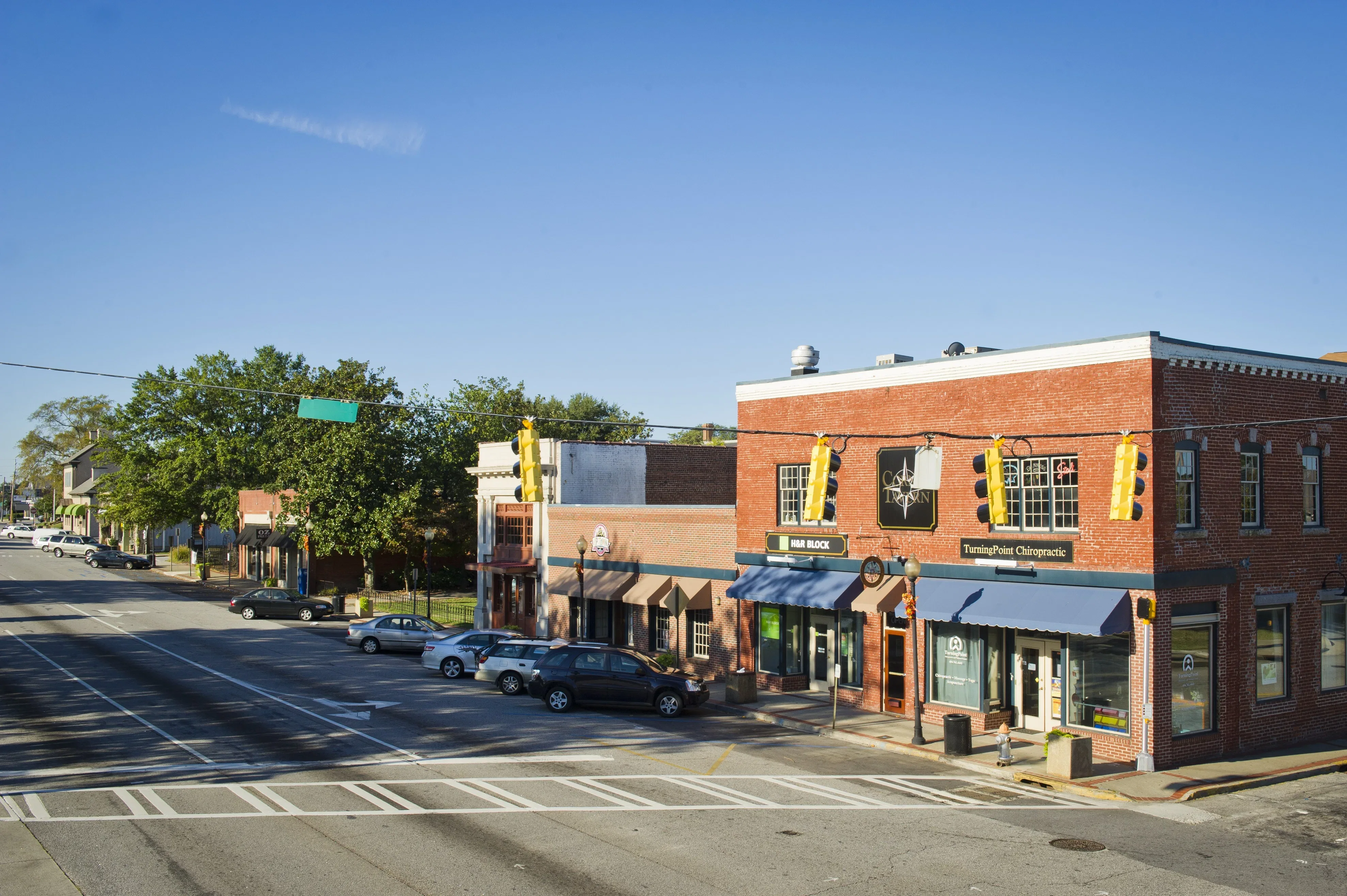
East Point’s Position Within Atlanta’s Four-Zone Trade Show Framework
Market analysis identifies four practical operating zones that define Atlanta trade show activity: the flagship downtown cluster led by the Georgia World Congress Center, Centennial Olympic Park, and AmericasMart; the airport and College Park corridor; the Cumberland and Cobb Convention Center submarket; and the Duluth and Gwinnett corridor serving northeast suburban demand. East Point aligns with the airport corridor, where emphasis falls on facilities explicitly designed around ATL SkyTrain access and fly-in efficiency rather than walking-distance urban density.
This zoning structure enables planners to develop district-specific strategies. For East Point, the focus shifts toward supporting events where participants arrive via the world’s busiest airport and require smooth transitions to exhibit halls. Unlike downtown’s deep concentration of showroom and activation demand, the airport zone prioritizes convenience for time-sensitive corporate and association programs that benefit from reduced post-flight transit.
Planning resources for East Point therefore stress cross-zone awareness. Exhibitors can maintain program coherence across Atlanta while optimizing individual activations for the operational realities of south-metro venues, ensuring fabrication and graphics specifications account for frequent shipping cycles inherent to airport-proximate events.
Venue-Specific Coordination for the Airport Corridor Cluster
The Georgia International Convention Center and Gateway Center Arena establish the core infrastructure for the airport corridor, with positioning that capitalizes on direct SkyTrain links from Hartsfield-Jackson terminals. East Point’s adjacency allows planners to incorporate these facilities into broader Atlanta programs where air travel represents the dominant arrival method. Floor plans and access documentation from these venues inform precise exhibit dimensions, load-in sequencing, and material specifications.
Coordination involves aligning custom builds with documented venue guidelines for booth configurations, electrical requirements, and aisle-flow patterns. Because these facilities target fly-in audiences, exhibit designs benefit from lightweight components and tool-free assembly elements that reduce on-site labor dependencies while maintaining visual impact for time-constrained attendees.
Planning extends beyond single venues to recognize how East Point fits into the larger corridor. Proximity supports multi-day programs that combine convention sessions with arena presentations, requiring modular exhibit systems capable of reconfiguration between spaces without full disassembly and re-shipment.
Custom Fabrication Approaches Optimized for East Point Programs
Exhibit House of Atlanta maintains fabrication expertise that addresses the distinct requirements of airport-corridor events. Custom solutions incorporate durable yet lightweight materials selected for repeated shipping cycles between Atlanta zones and national headquarters. This approach ensures structural integrity while supporting the rapid deployment timelines common when exhibitors arrive shortly before show opening.
Design processes integrate district-level nuances, such as higher emphasis on portable storage solutions and graphic packages that can be updated on short notice for events drawing regional participants alongside national fly-in traffic. Fabrication planning accounts for the secondary-priority status of East Point by developing flexible assets that transition effectively between airport-zone activations and downtown or suburban engagements within the same fiscal year.
Attention to operational detail includes selection of finishes resistant to frequent handling and climate variations encountered during airport-area transport. These considerations distinguish East Point program planning from downtown builds that may prioritize permanent showroom integration or northern suburban installations focused on community event durability.
Logistics Planning and Multi-Zone Program Integration
Successful East Point exhibitions require logistics frameworks that respect Atlanta’s distributed venue geography. Planning resources map shipment routing from fabrication facilities to airport-corridor receiving docks, then onward to subsequent stops in Cobb, Gwinnett, or downtown clusters. This sequencing minimizes storage duration and reduces potential damage points inherent in multi-leg itineraries.
Program coordination emphasizes advance scheduling that aligns with documented move-in windows at GICC and Gateway Center Arena while preserving flexibility for adjustments driven by air travel disruptions. Resources provide guidance on I&D best practices that maintain consistency whether an exhibit deploys in the airport zone or transitions to AmericasMart or the Cobb Galleria.
District differentiation appears in attendee flow planning. East Point events often feature higher percentages of same-day arrivals, necessitating exhibit layouts that deliver immediate brand impact within the first minutes of engagement. This operational detail contrasts with downtown programs where longer dwell times support deeper storytelling environments.
Differentiating East Point from Other Atlanta Market Segments
While downtown Atlanta functions as the flagship convention zone with its concentration of GWCC, Centennial Olympic Park, and AmericasMart demand, East Point represents the airport corridor’s practical complement. Planning for East Point prioritizes efficiency metrics—transit minutes from gate to booth, setup hours available post-flight—over the immersive urban experiences possible in central districts.
Compared to Cobb or Gwinnett suburban venues that capture community and regional corporate events, the East Point corridor maintains stronger international and national draw due to nonstop flight access. This distinction shapes messaging strategies, with exhibits incorporating global brand elements more prominently than in purely suburban activations.
Secondary-priority positioning does not diminish importance; rather, it allows specialized focus on hybrid events that combine convention programming with arena-scale components. Coordination resources help exhibitors calibrate investment levels appropriately for each zone, ensuring East Point activations deliver measurable ROI within the context of broader Atlanta campaigns.
Developing Scalable Exhibit Programs for South Metro Events
Long-term planning for East Point incorporates scalability principles that accommodate varying event sizes within the airport corridor. Resources guide selection of core structural elements that expand or contract through interchangeable components, allowing the same program foundation to support intimate corporate gatherings at Gateway Center Arena or larger conventions at GICC.
Digital integration receives particular attention in fly-in environments where attendees arrive with limited time and high expectations for interactive content. Planning coordinates physical fabrication with technology specifications that function reliably across Atlanta venues while addressing the specific bandwidth and power considerations documented for airport-adjacent facilities.
Measurement frameworks track performance metrics tailored to corridor characteristics, including engagement rates among time-sensitive travelers and lead quality from national audiences. These insights inform iterative refinements that strengthen program effectiveness across all four Atlanta zones.
Future Considerations for East Point Trade Show Growth
Atlanta’s continued evolution as a convention destination includes sustained investment in airport-corridor infrastructure, positioning East Point for increased relevance in years ahead. Planning resources monitor documented expansion patterns at GICC and surrounding facilities to ensure exhibit programs anticipate changes in square footage, technology requirements, and attendee capacity.
Coordination strategies increasingly incorporate sustainability parameters that align with venue guidelines across zones, with particular opportunities in the airport corridor where material transport efficiency directly impacts carbon calculations. Forward-looking programs balance these considerations with the visual and functional demands of competitive exhibition environments.
By maintaining awareness of how East Point integrates with downtown flagship venues and suburban alternatives, planners create resilient programs capable of adapting to shifting market dynamics while preserving core brand consistency throughout the Atlanta region.
FAQ
How does East Point fit into Atlanta’s overall trade show zones?
East Point operates within the airport and College Park corridor, one of four practical zones that also include downtown Atlanta, Cumberland-Cobb, and Duluth-Gwinnett. This corridor emphasizes fly-in convenience through proximity to Hartsfield-Jackson Atlanta International Airport and SkyTrain access to venues such as the Georgia International Convention Center.
What makes exhibit planning different for the East Point area?
Planning for East Point prioritizes transport-efficient designs, rapid deployment for fly-in teams, and integration with airport-adjacent venue specifications. This differs from downtown’s immersive showroom focus or northern suburban emphasis on community-scale events.
Which major venues serve events near East Point?
The Georgia International Convention Center and Gateway Center Arena anchor the airport corridor, offering facilities specifically positioned for air-travel convenience. Coordination resources align exhibit programs with the documented layouts and access protocols of these venues.
Should exhibitors use the same displays across all Atlanta zones?
Modular custom systems often provide the most effective solution, allowing core elements to adapt between airport-corridor requirements and downtown or suburban specifications while maintaining brand consistency and controlling long-term costs.
How far in advance should East Point exhibit programs be planned?
Coordination ideally begins 6-9 months before major events to accommodate fabrication, multi-zone scheduling, and alignment with documented venue timelines. Earlier planning benefits recurring programs that span multiple Atlanta districts.
What role does airport proximity play in East Point success?
Direct airport access shapes attendee profiles, exhibit timelines, and messaging priorities. Planning resources leverage this proximity to create experiences optimized for national participants who value minimized ground transportation.
Related Atlanta scopes
Continue with a connected Atlanta scope.
Inquiry
Trade Show Display Rental of Atlanta
Rental-first Atlanta trade show systems designed around venue-aware planning, modular reuse, and cleaner show-floor execution.