Locations / Trade Show Exhibit Planning for Newnan, GA
Trade Show Exhibit Planning for Newnan, GA
Businesses in Newnan access Atlanta’s distributed convention network through precise planning and coordination that aligns exhibit programs with the operational realities of downtown, airport, and suburban venues.
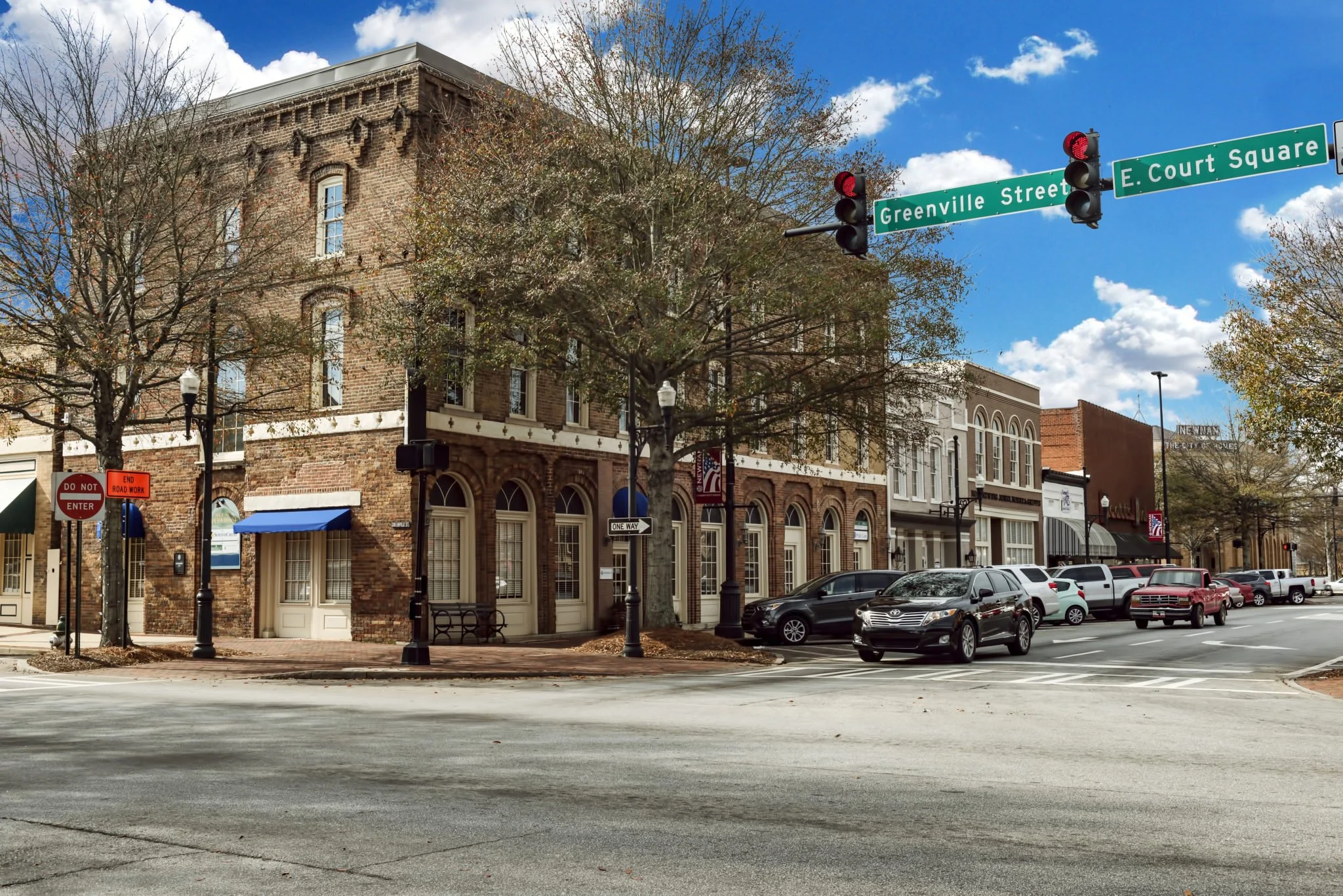
Newnan’s Place in Atlanta’s Distributed Trade Show Geography
Atlanta’s convention demand does not concentrate solely downtown. Instead it spreads across clearly defined operational zones that reflect distinct attendee profiles and event types. The flagship downtown district leverages the scale of the Georgia World Congress Center, the visibility of Centennial Olympic Park activations, and the permanent showroom environment at AmericasMart. Airport-adjacent venues such as the Georgia International Convention Center and Gateway Center Arena prioritize fly-in convenience through direct SkyTrain access and streamlined Security to Show floor pathways. Northwest suburban centers capture corporate and association events removed from urban density while northeast facilities serve growing technology and community segments.
For organizations based in Newnan this distribution creates both opportunity and complexity. Proximity to I-85 allows relatively efficient movement toward airport corridor venues where many national events emphasize convenience for Out of Town decision makers. At the same time, participation in downtown programs requires additional lead time for load-in coordination and staffing alignment. Planning resources help translate these geographic variables into coherent calendars so exhibit investments remain synchronized with broader marketing initiatives rather than operating as isolated tactical decisions.
The planning discipline also accounts for the varying scale of venues. A 10 by 20 booth at a focused GICC conference carries different fabrication and graphics demands than a double-island presence at the Georgia World Congress Center. Coordination therefore begins with clear objective setting tied to each event’s documented audience profile before moving into design, fabrication oversight, and measurement frameworks.
Venue-Specific Coordination for Maximum Relevance
Each major Atlanta-area facility presents distinct operational parameters that reward advance planning. The Georgia World Congress Center offers expansive floor plans and sophisticated rigging options documented in its official planning guide, requiring early submission of electrical, internet, and AV specifications. AmericasMart blends permanent showroom displays with temporary exhibit activations, demanding graphics and fixture systems that transition smoothly between showroom hours and special event programming.
The Georgia International Convention Center focuses on efficiency for time-sensitive attendees arriving via Hartsfield-Jackson. Its floor plans and loading dock configurations favor modular systems that can be installed quickly after SkyTrain arrival. Gateway Center Arena at College Park adds sports and entertainment adjacencies that influence attendee flow and activation opportunities. Planning therefore includes precise scheduling so Newnan-based teams arrive with assets pre-staged and ready for rapid deployment.
Suburban venues such as the Cobb Convention Center introduce different audience expectations centered on regional corporate and industry association gatherings. Coordination here emphasizes hospitality elements and targeted lead capture systems calibrated to longer dwell times. An authoritative planning resource maintains current knowledge of these venue nuances so every recommendation reflects documented facility capabilities rather than generalized assumptions.
Structured Program Management from Concept to Measurement
Successful exhibit programs follow a disciplined sequence that begins with objective definition and ends with performance analysis. For Newnan organizations this sequence must incorporate travel time, asset transport considerations along the I-85 corridor, and the ability to support multiple events without sacrificing quality or consistency. Early coordination prevents last-minute changes that increase cost and compromise impact.
The process includes detailed timeline mapping that aligns fabrication milestones with venue load-in deadlines. It incorporates graphic and structural reviews that ensure compliance with fire codes and accessibility standards published by each facility. Program management also addresses inventory tracking so reusable components move efficiently between downtown, airport, and suburban engagements without redundant fabrication expenses.
Post-event review completes the cycle. Metrics extend beyond lead volume to include engagement duration, message recall, and qualified opportunities advanced to sales pipelines. This data informs subsequent planning cycles, allowing Newnan companies to refine booth scale, messaging, and staffing models based on actual performance across Atlanta’s varied venues.
Custom Design and Fabrication Oversight
Custom exhibit solutions deliver differentiation when they are developed through rigorous planning rather than last-minute assembly. The process begins with audience analysis specific to each target event, whether a vertical industry gathering at the Georgia International Convention Center or a broader marketplace activation at AmericasMart. Design then balances visual impact, product demonstration space, and storage for collateral within the parameters of the chosen booth footprint.
Fabrication oversight ensures materials meet both creative and compliance standards. This includes flame-retardant certification required by the Georgia World Congress Center and other major facilities, modular construction that supports future reconfiguration, and integrated technology that withstands repeated shipping cycles. Planning resources maintain visibility into these details so the final structure performs as intended on the show floor.
Consistency across events remains a central concern for growing Newnan companies. A coordinated approach creates core structural elements that can be refreshed with seasonal graphics or updated technology rather than requiring full rebuilds for each appearance. This discipline preserves budget for strategic elements such as interactive displays or hospitality zones that directly influence attendee engagement.
Logistics Coordination for the South Metro Corridor
Logistics planning for Newnan-based programs accounts for the practical realities of interstate travel, dock scheduling, and material handling at each venue. The airport corridor venues reward tight coordination because many attendees arrive with limited buffer time between flights and exhibit hours. Downtown facilities introduce urban traffic variables that affect carrier arrival windows. Suburban centers often provide more flexible load-in periods but require precise communication to avoid conflicts with concurrent events.
An effective coordination framework includes carrier vetting, insurance verification, and contingency timelines that protect against weather or traffic disruptions along I-85. It also addresses storage strategies for assets between shows so organizations avoid repeated shipping costs. By treating logistics as an integrated component of program strategy rather than an afterthought, Newnan companies maintain control over both cost and quality.
The planning resource role includes continuous monitoring of venue rule changes and union guidelines published by facilities such as the Georgia World Congress Center. This knowledge enables proactive adjustments that prevent costly on-site surprises and keep the focus on audience engagement rather than operational friction.
Performance Frameworks and Continuous Improvement
Trade show participation represents a significant investment. Returns become measurable when programs are designed around defined objectives and tracked with appropriate metrics. For Newnan organizations these metrics may include qualified leads per square foot, cost per qualified interaction, or pipeline velocity improvements traceable to specific exhibit engagements.
Planning resources help establish these frameworks before the first show so data collection becomes systematic rather than retrospective. Digital integration, such as QR-enabled collateral or lead retrieval applications, must be tested against each venue’s internet reliability and power specifications. Post-event debriefs then convert raw data into actionable refinements for future events at Cobb, GICC, or the Georgia World Congress Center.
Over multiple cycles this discipline produces compounding advantages. Exhibit elements evolve based on documented performance rather than intuition. Messaging sharpens in response to audience behavior patterns observed across Atlanta’s diverse zones. Budget allocation shifts toward elements that demonstrably move business outcomes, creating sustainable competitive advantage for companies operating from Newnan.
Building Resilient Multi-Event Strategies
Few Newnan companies limit themselves to a single annual appearance. Most participate across a portfolio of events that span downtown, airport, and suburban venues throughout the year. Resilient strategies therefore treat individual exhibits as components of a larger program rather than standalone projects. This perspective guides decisions about modular versus custom construction, asset durability, and knowledge transfer between events.
Coordination at the program level also surfaces efficiencies in staffing, training, and lead management systems. Teams develop consistent presentation skills that translate across different audience densities and show durations. Lead nurturing protocols remain uniform whether the initial capture occurred at AmericasMart or the Gas South Convention Center. The planning resource maintains visibility across the entire portfolio so no single event undermines the cumulative brand impression.
This comprehensive approach ultimately reduces per-event stress while increasing cumulative impact. Newnan organizations gain the ability to scale participation as business grows without proportional increases in planning overhead or execution risk.
FAQ
How does Newnan’s location influence Atlanta trade show strategy?
Newnan’s position along the I-85 corridor provides practical access to airport-adjacent venues emphasizing fly-in convenience as well as downtown and suburban facilities. Planning therefore focuses on zone-specific timelines, asset readiness, and venue rule alignment so each event contributes to a unified program rather than operating in isolation.
What are the primary operating zones in the Atlanta trade show market?
Atlanta’s demand distributes across downtown led by the Georgia World Congress Center and AmericasMart, the airport and College Park corridor featuring GICC with SkyTrain access, the Cumberland and Cobb northwest submarket, and the Duluth and Gwinnett northeast corridor. Coordination matches exhibit choices to the operational strengths of each zone.
Why is early coordination important for Newnan-based exhibitors?
Early planning accommodates documented load-in schedules, fabrication lead times, and travel considerations along major corridors. It prevents last-minute cost overruns and ensures design, graphics, and technology elements comply with each venue’s published requirements before deadlines pass.
Which Atlanta venues are most relevant for companies in Newnan?
Relevance depends on objectives. The Georgia International Convention Center and Gateway Center Arena suit fly-in national events. The Georgia World Congress Center and AmericasMart serve broad industry and buyer audiences. Cobb and Gas South facilities align with regional corporate and association programs. Planning resources map these options to specific business goals.
How should success be measured for multi-venue programs?
Metrics extend beyond lead volume to include engagement quality, pipeline progression, Cost Per Qualified Opportunity, and brand consistency scores. Frameworks established during planning ensure data collected at each venue contributes to unified program insights and continuous refinement.
What does program coordination include beyond booth design?
Coordination encompasses timeline synchronization across events, logistics aligned with venue dock schedules, lead management system integration, post-show analytics, asset tracking for reuse, and budget frameworks that optimize spending across downtown, airport, and suburban appearances.
Related Atlanta scopes
Continue with a connected Atlanta scope.
Inquiry
Trade Show Display Rental of Atlanta
Rental-first Atlanta trade show systems designed around venue-aware planning, modular reuse, and cleaner show-floor execution.